
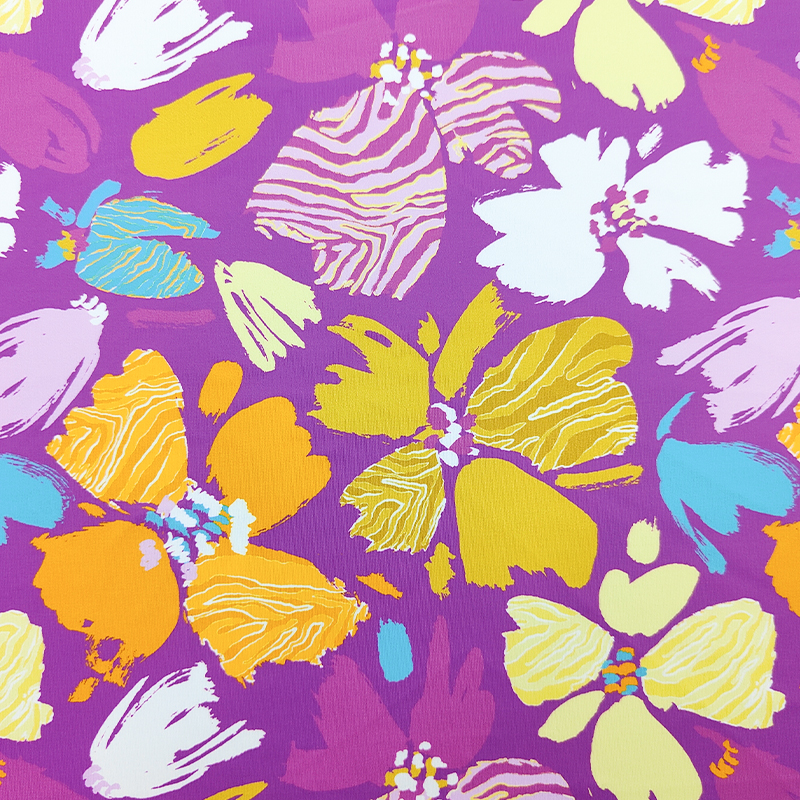
The Foundation That Determines Everything
Custom printing on fabric sounds straightforward: pick a design, pick a shirt, and press go. But anyone who has been through the process more than a few times knows that the base fabric is where most projects succeed or fail. A great print on the wrong substrate looks mediocre. A decent print on the right fabric can look spectacular.
The challenge is that there is no single answer. Different printing methods, different end uses, and different budgets all point toward different fabric choices. The key is understanding what each option brings to the table—and where it falls short.
Cotton: The Gold Standard for Print Quality
For decades, cotton has been the reference point for custom printing. The fibers are naturally absorbent, which makes them ideal for water-based inks. The surface is smooth enough to hold fine detail but textured enough to grip the ink without excessive bleeding.
In practical terms, a 100% cotton shirt in the 5.0 to 6.0 ounce range tends to hold ink best for screen printing. The weight provides enough body for the ink to sit on top without soaking through, while the fiber structure ensures good adhesion.
But cotton has limitations. It shrinks. It wrinkles. It takes a long time to dry. And for performance-oriented applications—athletic wear, outdoor gear, travel clothing—cotton's tendency to hold moisture works against it. The print might look great, but the garment's functionality takes a hit.
Polyester: The Performance Print Platform
Polyester tells a different story. The fiber is hydrophobic, meaning it does not absorb water-based inks the way cotton does. That makes it tricky for traditional screen printing but ideal for dye-sublimation—a process where heat transfers dye directly into the fiber.
Sublimation on polyester produces some of the most vibrant, saturated colors available in apparel printing. The dye becomes part of the fiber rather than sitting on top, which means the print does not crack, peel, or fade as quickly over time. For all-over prints, athletic uniforms, and activewear, polyester is hard to beat.
The trade-off is in feel. Polyester does not have the same soft, natural hand as cotton. It can feel synthetic, especially in heavier weights. And while it excels at moisture management, it does not breathe as well as natural fibers in certain constructions.
Blends: The Middle Ground That Often Wins
Cotton-polyester blends attempt to capture the best of both worlds. A 60/40 or 50/50 mix combines the softness and printability of cotton with the durability and moisture-wicking properties of polyester.
The print quality on a blend falls somewhere between pure cotton and pure polyester. Water-based inks work reasonably well, though not as crisply as on 100% cotton. Sublimation is possible but requires a high polyester content—typically 80% or more for good results.
Where blends shine is in versatility. A well-balanced blend performs adequately across multiple printing methods, holds up to repeated washing, and offers a decent compromise on comfort and durability. For projects that need to serve multiple purposes or appeal to a broad audience, blends are often the pragmatic choice.
| Base Fabric | Best Printing Method | Print Durability | Comfort | Moisture Management |
|---|---|---|---|---|
| 100% Cotton | Screen Print, DTG | Good | Excellent | Poor |
| Cotton/Polyester Blend | Screen Print, DTG | Very Good | Good | Moderate |
| 100% Polyester | Sublimation | Excellent | Moderate | Excellent |
The Weight Factor: How GSM Changes Everything
Fabric weight—measured in grams per square meter (GSM)—is one of the most overlooked variables in custom printing. A lightweight fabric (under 150 GSM) prints differently than a medium-weight (150–200 GSM) or heavyweight (over 200 GSM) fabric.
Lightweight fabrics are prone to ink bleeding and show-through, especially with lighter colors. They work best for all-over sublimation prints where the ink penetrates rather than sits on top. Medium-weight fabrics offer the most flexibility, working well with screen printing, DTG, and sublimation alike. Heavyweight fabrics provide a substantial hand and excellent print opacity but can feel stiff and warm.
The right weight depends entirely on the end use. A lightweight performance tee for running calls for something different than a heavyweight hoodie for streetwear. Matching the weight to the application is just as important as matching the fiber content.
A Case in Point: When the Wrong Base Ruined a Run
A midsize apparel brand once ordered a custom print run on a polyester-spandex blend that had performed well in samples. The sublimation colors popped. The stretch was comfortable. Everything looked good on paper.
But when the full production run came off the line, the prints looked washed out. The issue traced back to the base fabric's dye uptake—the particular blend ratio and knit structure absorbed sublimation ink differently at scale than it had in the small-batch sample. The brand had to re-source the fabric mid-production, eating both time and margin.
The lesson was straightforward: test the actual production fabric, not just the sample swatch. Base fabrics from different lots or different suppliers can behave differently, even with the same nominal specifications. Running a pilot batch on the exact material that will be used for the full order catches these issues before they become expensive problems.
Printing Method Compatibility: A Quick Reference
Not every fabric works with every printing method. Screen printing demands a smooth, relatively flat surface with enough body to hold the ink. DTG (direct-to-garment) works best on natural fibers or high-cotton blends because the water-based inks need to absorb into the fibers. Sublimation requires at least 80% polyester content for the dye to bond properly.
Discharge printing—where the ink removes the existing dye and replaces it with a new color—works on cotton but not on polyester. Plastisol inks work on almost everything but feel heavy and can crack over time.
Knowing the printing method in advance is non-negotiable. Choosing a base fabric without considering how it will be printed is like buying a car without checking whether it takes gasoline or diesel. The fabric might be perfect in every other way, but if it does not work with the intended printing process, it is the wrong fabric.
The Sustainability Angle
Sustainability is becoming a bigger factor in fabric selection, and for good reason. The apparel industry generates significant waste, and the choice of base fabric affects everything from water usage in production to end-of-life recyclability.
Recycled polyester and organic cotton are increasingly available and perform comparably to their virgin counterparts. The key is verifying that the sustainability claims are backed by credible certifications rather than marketing language. Some suppliers now offer recycled-content versions of popular base fabrics, making it easier to make responsible choices without compromising on print quality or performance.
Making the Final Call
Choosing the right base fabric for a custom print project comes down to three questions: What printing method will be used? What is the garment's intended use? And what balance of cost, quality, and sustainability makes sense for the specific project?
There is no universal winner. Cotton delivers the best print quality but falls short on performance. Polyester excels at durability and moisture management but lacks the natural feel. Blends offer a compromise that works for many applications. The right answer depends on the specifics of the project.
For brands and manufacturers navigating these decisions, working with a supplier that understands the interplay between base fabric and printing process makes a tangible difference. Jdttex offers a range of knitted elastic fabrics suitable for various custom print applications, with the capability to develop tailored solutions that match both the printing method and the end-use requirements. The company's vertical integration from knitting through finishing means fewer variables between sample and production—and fewer surprises when the order goes live.
Table of Contents
- The Foundation That Determines Everything
- Cotton: The Gold Standard for Print Quality
- Polyester: The Performance Print Platform
- Blends: The Middle Ground That Often Wins
- The Weight Factor: How GSM Changes Everything
- A Case in Point: When the Wrong Base Ruined a Run
- Printing Method Compatibility: A Quick Reference
- The Sustainability Angle
- Making the Final Call