
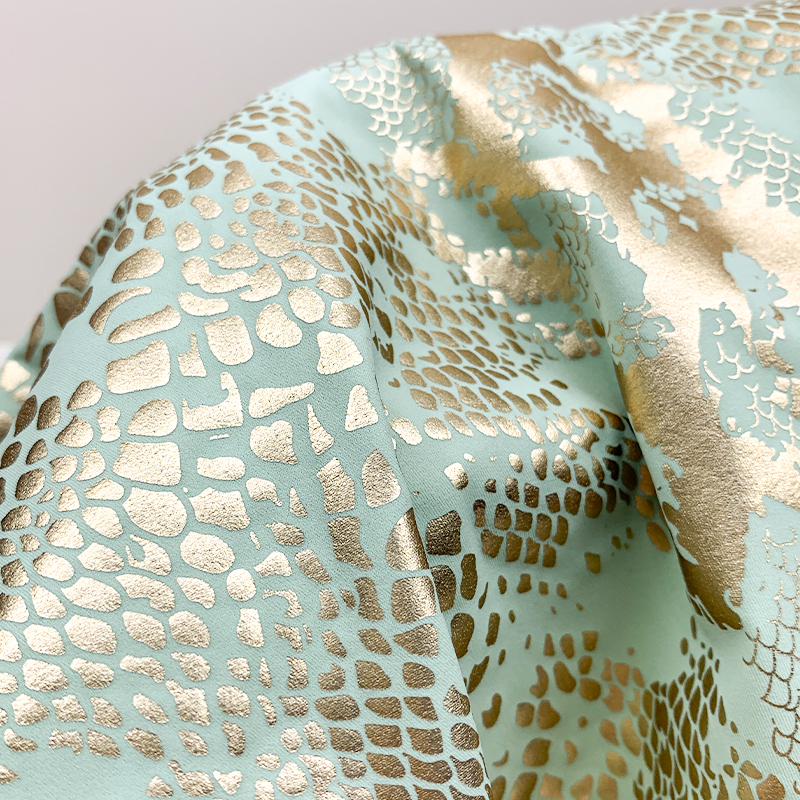
The One Fabric That Actually Delivers on Its Promises
Pack a bag, book a flight, and hit the road—sounds simple enough. But anyone who has spent more than a few days living out of a suitcase knows that clothing choices can make or break a trip. Nothing kills momentum quite like waking up to find yesterday's only clean shirt still damp from a hand-wash session. Or stepping off a plane in a humid city with sweat patches spreading across a cotton tee that refuses to dry.
That is precisely where quick dry fabric enters the picture. Not as a marketing gimmick, but as a genuine performance upgrade that changes how travelers pack, move, and recover between destinations. The difference is not subtle. It is the kind of shift that, once experienced, makes going back to regular cotton feel like a step backward.
What Actually Makes a Fabric “Quick Dry”?
The term gets thrown around a lot, but the mechanics behind it are straightforward. Quick dry fabric works by moving moisture away from the skin and spreading it across a larger surface area where evaporation can happen faster. This is achieved through a combination of fiber selection, yarn construction, and knit geometry.
Synthetic fibers like polyester and nylon are inherently hydrophobic—they do not absorb water the way natural fibers do. Instead, moisture sits on the surface of the fiber and evaporates. When these fibers are engineered into fine-denier yarns and knitted into open, breathable structures, the fabric gains capillary action that actively pulls sweat outward.
Some performance fabrics also incorporate mechanical wicking through three-dimensional knit constructions that create air channels, accelerating moisture removal without relying on chemical treatments. The result is a textile that dries in a fraction of the time required by cotton or other natural materials.
Packing Light Becomes a Realistic Goal
One of the most immediate benefits of quick dry travel clothing is the ability to pack fewer items. A typical traveler might bring seven shirts for a week-long trip. Swap those out for quick-dry alternatives, and that number can drop to three or four.
The logic is simple: wash one in the evening, hang it up, and by morning it is ready to wear. No need for a dryer. No need to find a laundromat. No need to carry a backup for the backup. This approach cuts down on luggage weight, frees up space for other essentials, and reduces the stress of managing dirty laundry on the go.
For multi-day adventures or trips that involve moving between cities every couple of days, this becomes even more valuable. A garment that dries overnight means one less thing to worry about when the itinerary is tight.
| Fabric Type | Approximate Drying Time (After Hand Wash) | Suitable for Travel |
|---|---|---|
| 100% Cotton | 6–8 hours (or more in humidity) | Limited |
| Cotton/Polyester Blend | 4–5 hours | Moderate |
| Quick-Dry Synthetic (Polyester/Spandex) | 1–2 hours | Excellent |
Comfort That Holds Up Across Climates
Travel often means moving between drastically different environments. A morning in an air-conditioned airport, an afternoon in a tropical city, and an evening in a coastal breeze—each demands something different from clothing.
Quick dry fabric handles this variability better than most. The same moisture-wicking properties that keep sweat off the skin in hot weather also help with temperature regulation in cooler conditions. When the fabric does not stay wet, it does not cling to the body or conduct heat away too aggressively.
Breathability is another factor. Many quick-dry knits are lightweight and airy, allowing air to circulate freely. This prevents the stuffy, trapped-heat sensation that often comes with wearing synthetic fabrics in warm weather. The combination of wicking, breathability, and rapid drying creates a microclimate next to the skin that stays comfortable across a wide range of conditions.
Odor Control—The Unspoken Travel Challenge
Anyone who has worn synthetic activewear knows that some of them hold onto smells long after the sweat has dried. That is a real problem for travel, where access to washing facilities is not always guaranteed.
Not all quick dry fabrics are created equal in this regard. Some manufacturers integrate antimicrobial treatments into the fiber or finish to inhibit odor-causing bacteria. Others use fiber blends that naturally resist bacterial growth. The key is to look for fabrics that address odor control as part of the overall performance package, rather than treating it as an afterthought.
In practice, this means a quick-dry shirt can be worn for multiple days in a row with minimal odor buildup—provided it is allowed to air out between wears. That is a game-changer for minimalist packing or extended trips where laundry opportunities are scarce.
A Real-World Test: Humidity and the Overnight Dry
During a sourcing trip in Southeast Asia, a production team ran a simple test with a batch of prototype travel shirts made from a polyester-spandex quick-dry knit. The goal was to see how the fabric performed under real travel conditions—not in a lab, but in the field.
The shirts were hand-washed in a hotel sink at 9 PM, wrung out by hand, and hung on a balcony in 80% humidity with temperatures hovering around 30°C (86°F). By 7 AM the next morning, every shirt was completely dry. A comparable cotton shirt from the same test took over 10 hours and still felt damp at the collar and underarms.
That kind of performance is not theoretical. It is the difference between starting the day with fresh clothing versus putting on something that still feels clammy. For travelers, that matters.
Durability and Care Considerations
Quick dry fabrics tend to be more durable than their natural-fiber counterparts, especially in thinner weights. Synthetics resist abrasion better and hold their shape through repeated washing and wear.
However, there are trade-offs. Some quick-dry fabrics are sensitive to heat and can be damaged by high-temperature drying or ironing. Fabric softeners should also be avoided, as they can coat the fibers and reduce wicking performance over time. Following the care instructions is not just a suggestion—it directly affects how long the fabric maintains its quick-dry properties.
When Quick Dry Might Not Be the Right Choice
For all its advantages, quick dry fabric is not a universal solution. In extremely cold weather, the same rapid evaporation that keeps a traveler cool can actually accelerate heat loss if the fabric is not paired with an insulating layer.
Similarly, for formal occasions or settings where natural fiber aesthetics are preferred, quick-dry synthetics may not look or feel appropriate. The fabric has a distinct hand and drape that does not mimic cotton or wool. Knowing when to use it—and when to leave it in the bag—is part of making smart travel clothing decisions.
The Bottom Line
Quick dry fabric has earned its place in the modern traveler's wardrobe. It solves real problems: heavy luggage, slow-drying laundry, discomfort in changing climates, and the persistent challenge of managing odors on the road. The technology is mature, the benefits are measurable, and the applications continue to expand.
For brands and manufacturers looking to source reliable quick-dry textiles, working with an experienced supplier makes a noticeable difference. Jdttex specializes in knitted elastic fabrics for activewear, swimwear, and travel clothing, with a vertically integrated production chain that supports consistent quality from development through bulk orders. The company's focus on functional textiles and responsive sampling means travelers get fabrics that perform as promised—not just on the spec sheet, but on the road.
Table of Contents
- The One Fabric That Actually Delivers on Its Promises
- What Actually Makes a Fabric “Quick Dry”?
- Packing Light Becomes a Realistic Goal
- Comfort That Holds Up Across Climates
- Odor Control—The Unspoken Travel Challenge
- A Real-World Test: Humidity and the Overnight Dry
- Durability and Care Considerations
- When Quick Dry Might Not Be the Right Choice
- The Bottom Line