
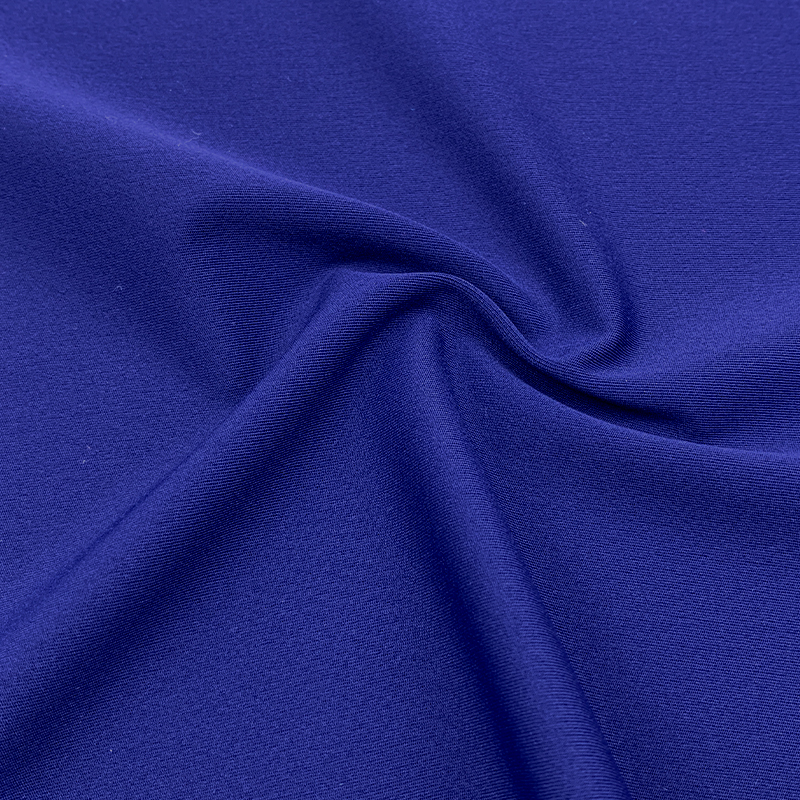
The Foundation of Good Underwear Is Not What Most Think
Underwear is one of those categories where consumers notice when something is wrong far more than when something is right. A poor fit, sagging after a few washes, or fabric that loses its shape—those issues get remembered. The right fabric, on the other hand, goes unnoticed. It just works.
That is why stretch and recovery matter so much in underwear fabric sourcing. It is not about adding stretch for the sake of it. It is about ensuring that the garment fits properly on day one and still fits properly after dozens of wears and washes. The recovery—the fabric's ability to return to its original dimensions after being stretched—is what separates good underwear from forgettable underwear.
What Stretch and Recovery Actually Mean in Textile Terms
In the textile industry, stretch refers to how much a fabric can elongate under tension. Recovery refers to how well it returns to its original shape after that tension is released. These two properties are related but not identical. A fabric can have excellent stretch but poor recovery, meaning it stretches easily but stays stretched out. That is the kind of fabric that leads to saggy waistbands and baggy seats.
Testing standards like ASTM D3107 provide methods for measuring fabric stretch, growth, and recovery after specified tension and extension. These standards are not just academic—they are practical tools for comparing fabrics from different suppliers and ensuring consistency across production runs.
For underwear applications, the ideal fabric balances stretch for comfort and mobility with recovery for shape retention. Too little stretch and the garment feels restrictive. Too little recovery and it loses its fit over time.
Fiber Selection: The Starting Point for Performance
The choice of fibers directly determines a fabric's stretch and recovery characteristics. Spandex (also known as elastane or Lycra) is the most common elastic fiber used in underwear fabrics. It provides the stretch, and its quality determines the recovery.
Nylon-spandex blends are popular for their combination of strength, softness, and elastic performance. Nylon provides durability and a smooth hand, while spandex delivers the stretch and recovery. MicroModal-spandex blends offer a softer, more luxurious feel with similar stretch properties.
The spandex content typically ranges from 5% to 20%, depending on the desired level of stretch. Higher spandex content generally means more stretch, but it also affects the fabric's weight, drape, and cost. Finding the right balance requires testing different ratios against the specific end-use requirements.
| Fiber Blend | Stretch Level | Recovery | Hand Feel | Best For |
|---|---|---|---|---|
| Nylon/Spandex (85/15) | High | Excellent | Smooth | Everyday underwear, seamless |
| MicroModal/Spandex (90/10) | Moderate-High | Very Good | Ultra-soft | Premium underwear |
| Cotton/Spandex (95/5) | Moderate | Good | Natural | Basic underwear, comfort-focused |
Knit Construction Matters as Much as Fiber
The way a fabric is knitted affects stretch and recovery just as much as the fiber content. Different knit structures create different amounts of give and different degrees of recovery.
Interlock knits are stable and offer moderate stretch with good recovery. They are commonly used in underwear that needs to hold its shape without excessive cling. Rib knits provide more stretch and are often used for waistbands and cuffs. Jersey knits are lightweight and stretchy but may not recover as well as denser constructions.
Four-way stretch fabrics—those that stretch in both the lengthwise and crosswise directions—are increasingly popular for underwear. They move with the body in multiple directions, providing a better fit for active wearers. The trade-off is that four-way stretch can be more challenging to engineer for consistent recovery across both axes.
A Sourcing Story: When Recovery Was Overlooked
A lingerie brand once sourced a nylon-spandex fabric that passed all the initial quality checks. The stretch was impressive. The hand feel was soft. The color matched perfectly. But six months after the products hit the market, customer complaints started coming in.
The issue was recovery. The fabric stretched beautifully on the first wear, but after a few washes, the garments started to lose their shape. Waistbands rolled. Seats sagged. The brand had to issue refunds and re-source the fabric for the next production run—a costly and reputation-damaging exercise.
The root cause was simple: the supplier had optimized the fabric for stretch without giving equal attention to recovery. The spandex quality was lower than the brand had assumed, and the knit construction did not provide enough structural stability to support consistent recovery. The lesson was that stretch and recovery are not the same thing, and both need to be verified independently.
Testing and Verification: What to Ask For
When sourcing wholesale underwear fabric, testing should not be an afterthought. Requesting test reports that cover both stretch and recovery properties provides a baseline for comparison between suppliers.
Key metrics to look for include stretch percentage at a specified load, recovery percentage after release, and growth—the permanent deformation that remains after stretching. A fabric with low growth and high recovery is what to aim for.
It is also worth asking about wash durability. A fabric that recovers well on the first stretch may not recover as well after 20 or 30 washes. Suppliers that conduct wash testing as part of their quality control process offer more reliable data than those that only test on greige (unfinished) fabric.
The Cost-Quality Balance in Wholesale Sourcing
Wholesale sourcing always involves trade-offs between cost and quality. Higher spandex content and better-quality spandex fibers cost more but deliver better recovery. More complex knit constructions require more production time and higher skill levels, which also adds to the cost.
The key is to define the minimum acceptable performance for the specific application and then source to that standard. A premium underwear line targeting high-end retailers needs a different level of stretch and recovery than a budget-friendly basics line. There is no shame in either approach—the mistake is using the wrong standard for the wrong market.
Bulk ordering from a supplier with stable production capabilities helps ensure that the fabric delivered matches the fabric sampled. Variations between batches can undermine even the best specifications. Consistency is a form of quality that does not always show up on a test report but matters enormously in production.
Common Pitfalls in Underwear Fabric Sourcing
Several mistakes come up repeatedly in underwear fabric sourcing. One is assuming that all spandex is the same. It is not. Different grades of spandex offer different levels of recovery, durability, and resistance to chlorine and heat.
Another pitfall is neglecting the finishing process. The way a fabric is heat-set, dyed, and finished affects its final stretch and recovery properties. A fabric that performs well in greige form can change significantly after processing.
A third mistake is skipping the wash test. A fabric that recovers well straight off the roll may not recover well after laundering. Running wash tests on sample fabrics before committing to a bulk order catches these issues early.
Making the Right Choice for the Long Term
Sourcing wholesale underwear fabric with reliable stretch and recovery is not about finding the cheapest option or the one with the highest specs on paper. It is about matching the fabric's performance characteristics to the end-use requirements and then verifying that the supplier can deliver that performance consistently.
The best approach is to work with suppliers that understand the interplay between fiber, knit, and finish—and that are willing to provide test data, run pilot batches, and adjust formulations as needed. A supplier that treats stretch and recovery as critical quality parameters rather than nice-to-have features is worth the extra effort to find.
Jdttex specializes in knitted elastic fabrics for underwear and intimate apparel, with production capabilities that span the full knitting, dyeing, and finishing chain. The company's experience with nylon-spandex and MicroModal blends supports consistent stretch and recovery performance across production runs. For brands that need reliable underwear fabric at wholesale volumes, that kind of integrated capability makes a tangible difference in final product quality.
Table of Contents
- The Foundation of Good Underwear Is Not What Most Think
- What Stretch and Recovery Actually Mean in Textile Terms
- Fiber Selection: The Starting Point for Performance
- Knit Construction Matters as Much as Fiber
- A Sourcing Story: When Recovery Was Overlooked
- Testing and Verification: What to Ask For
- The Cost-Quality Balance in Wholesale Sourcing
- Common Pitfalls in Underwear Fabric Sourcing
- Making the Right Choice for the Long Term