Swimwear Fabric Types: 5 Certified Blends for Performance & Sustainability

Swimwear Fabric Types: A Complete Professional Sourcing Guide by Jiadatai

Understanding swimwear fabric types is fundamental to building swim collections that perform in chlorinated pools, saltwater, and sun exposure. This guide, prepared by Dongguan Jiadatai Textile Co., Ltd. (Faybric), explores the major swimwear fabric types available to global brands, manufacturers, and designers, including polyester-spandex blends, nylon-spandex blends, recycled options, and specialized textural finishes. Jiadatai produces these fabrics in-house across a 30,000-square-meter vertically integrated facility covering knitting, dyeing, printing, and finishing, all managed by an intelligent ERP system. Our swimwear fabric types are engineered for four-way stretch, shape retention, quick-drying behaviour, UV resilience, and resistance to chlorine degradation. Certified to OEKO-TEX, GRS, ISO, HIGG, and ZDHC standards, every swimwear fabric type we produce supports responsible production and safe skin contact.
Get A Quote

Case Study

Vertically Integrated Production for Consistent Swimwear Fabric Types

Jiadatai controls every stage of swimwear fabric production under one roof: knitting, dyeing, printing, and finishing. This vertical integration means your chosen swimwear fabric types are knitted, dyed, printed, and stabilized without relying on external subcontractors, eliminating the quality variation that commonly appears when multiple vendors handle different stages. Our 30,000-square-meter facility pairs advanced machinery, including German GOLLER washing machines, MONFONGS stenter setting machines, SANTEX equipment, and AK dyeing vats, with an ERP intelligent management system that monitors production, warehousing, quality control, and delivery in real time. For buyers, this translates into repeatable shade matching, consistent stretch and recovery, predictable shrinkage control, and shorter lead times across the entire range of swimwear fabric types we offer.

Certified Quality and Sustainable Swimwear Fabric Types

Global swim brands face increasingly strict compliance and sustainability expectations from retailers, regulators, and consumers. Jiadatai holds OEKO-TEX, GRS, ISO, HIGG, and ZDHC certifications, covering our swimwear fabric types from fibre sourcing through dyeing and finishing. These certifications support buyers who need documented evidence of restricted substance control, recycled content claims, and responsible chemical management. Our ZDHC certification reflects a commitment to zero discharge of hazardous chemicals, while GRS enables verified recycled polyester and recycled nylon swimwear fabric types for collections with circularity goals. For EU, North American, and Australian markets, this certification stack reduces compliance risk and shortens supplier qualification timelines.

Flexible Development Support for Every Swimwear Fabric Type

Choosing among swimwear fabric types requires more than comparing datasheets; it requires hands-on testing and iteration. Jiadatai supports brands, manufacturers, and designers with demand analysis, sample making, trend guidance, and free consultation and sampling. Our R&D team helps you evaluate the best swimwear fabric types per silhouette: high-recovery nylon-spandex for competition and performance swim, textured or matte polyester-spandex for fashion swim, recycled blends for eco-positioned lines, and engineered knits for swimwear with lining or shaping requirements. We provide guidance on fabric weight, stretch direction, modulus, and printability, so your design intent survives the transition from prototype to production. Because we operate a complete knitting, printing, dyeing, and finishing chain, we can customize constructions, adjust hand-feel finishes, and develop exclusive prints efficiently.

Related products

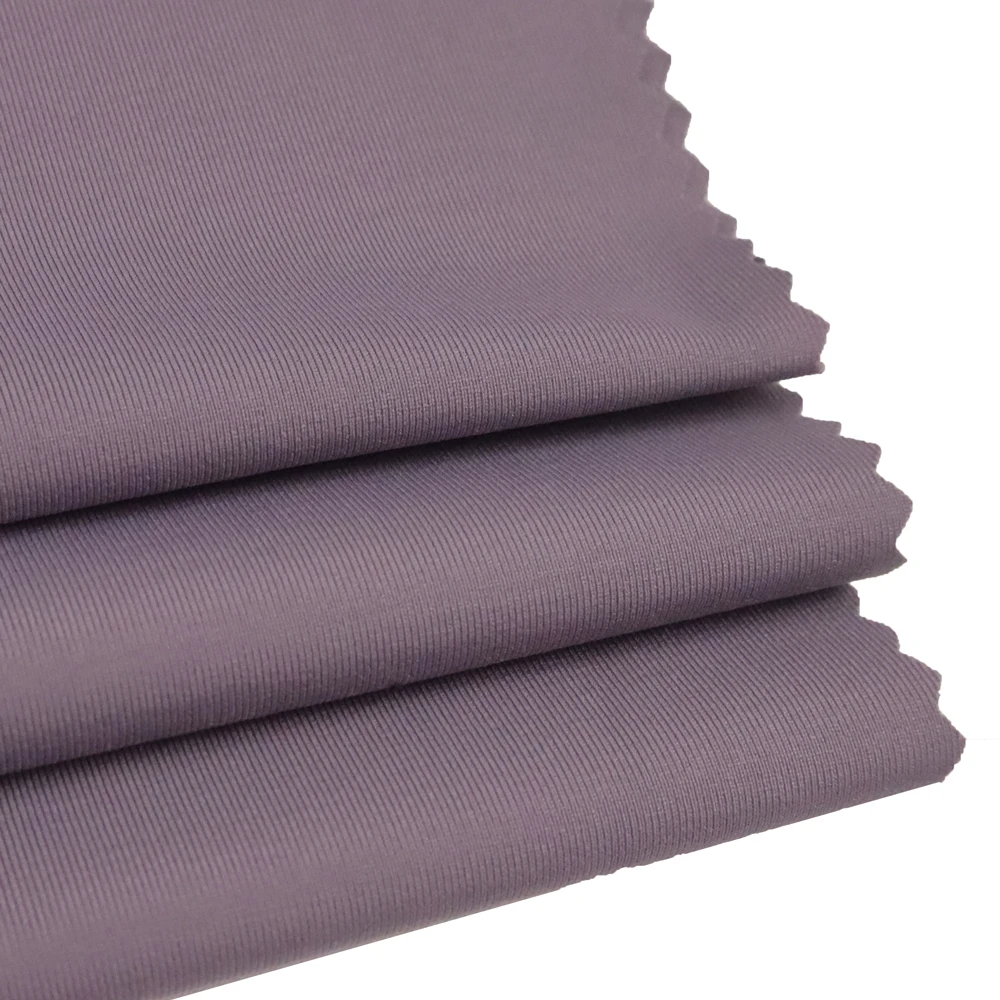
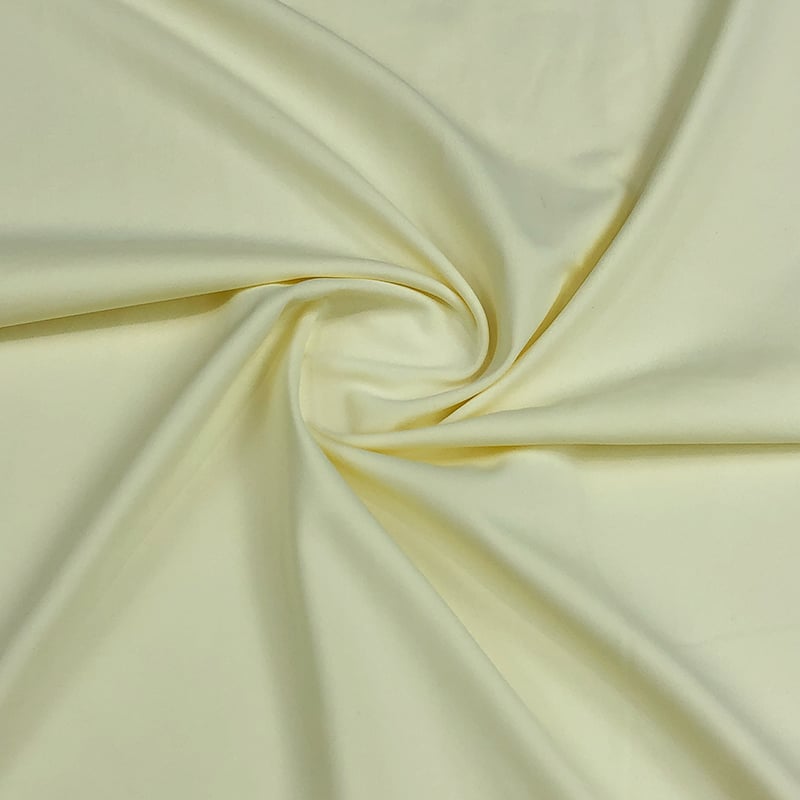
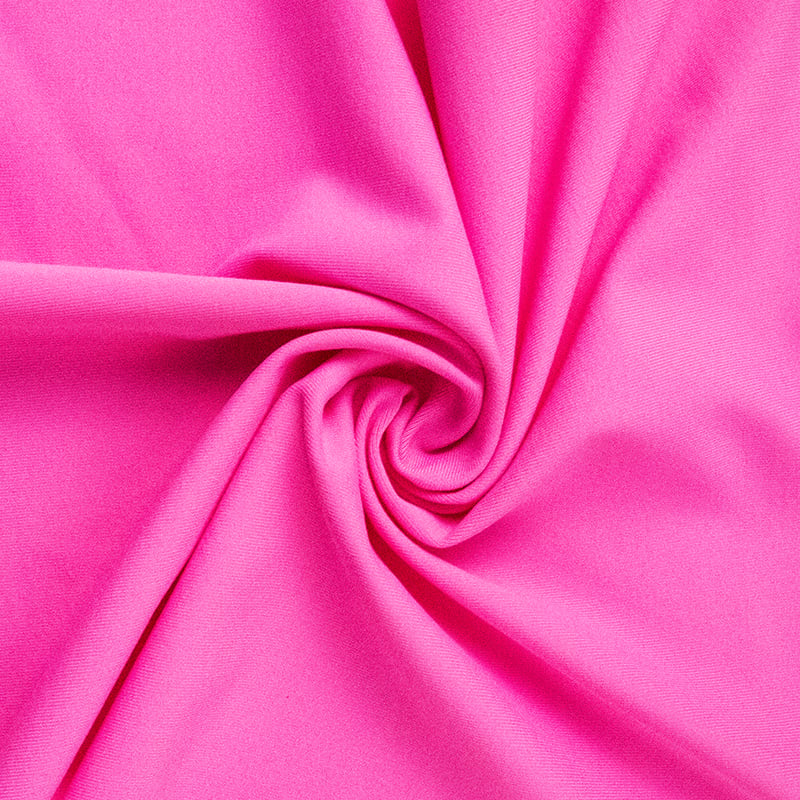
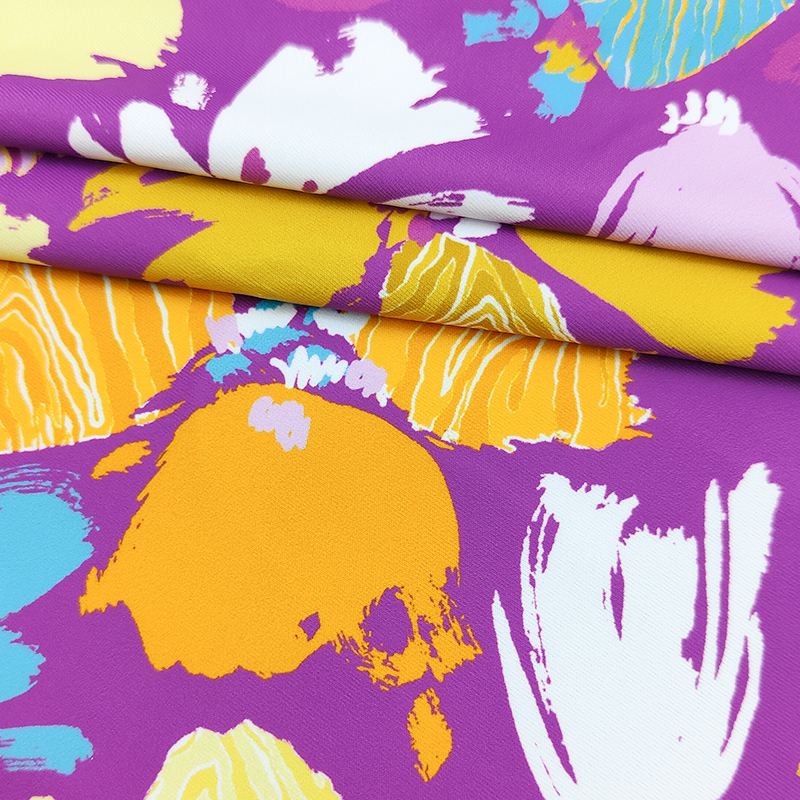
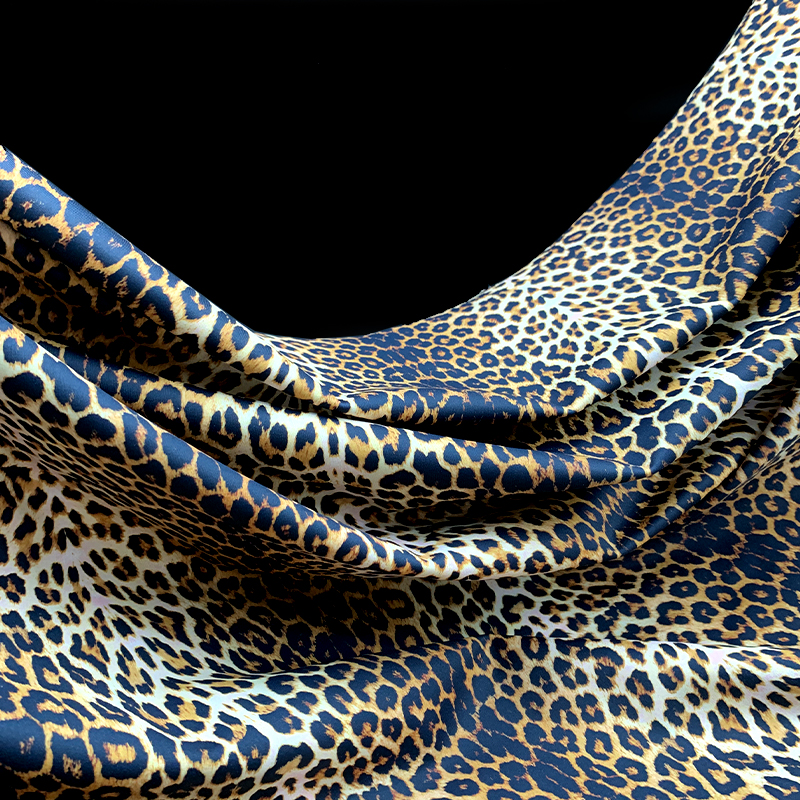
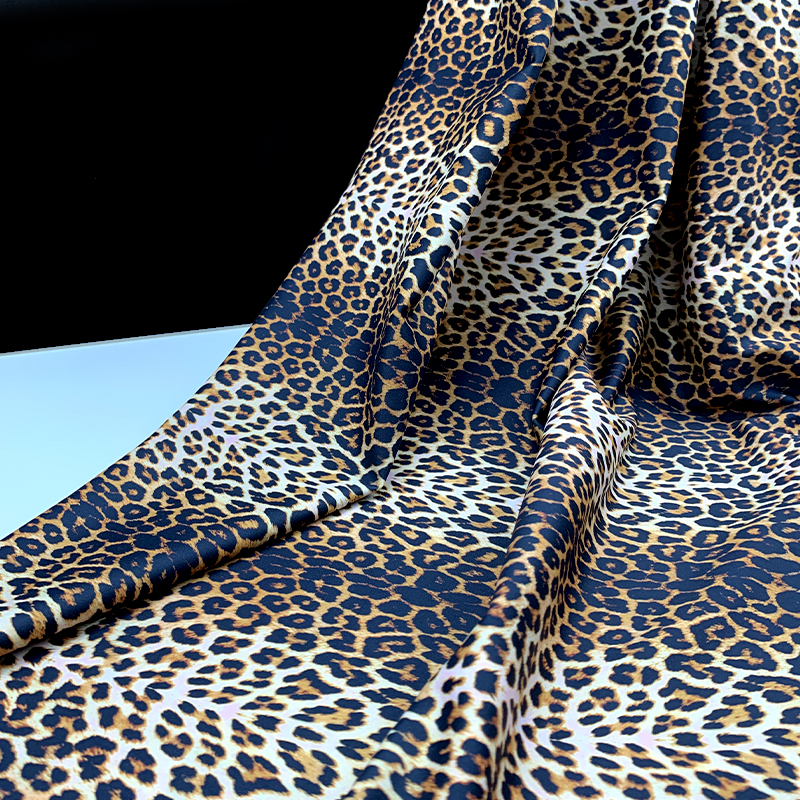
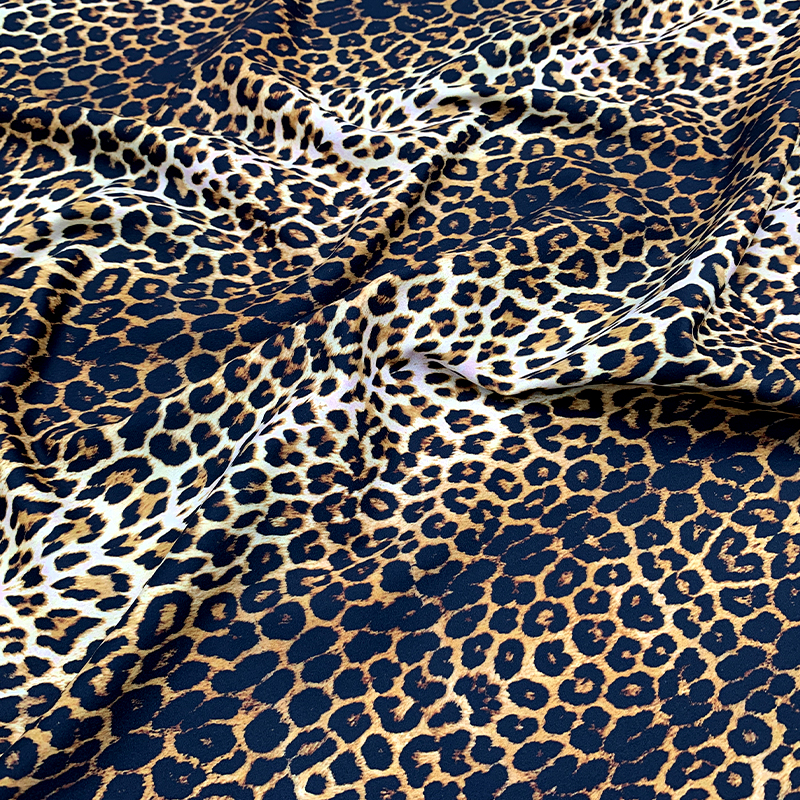
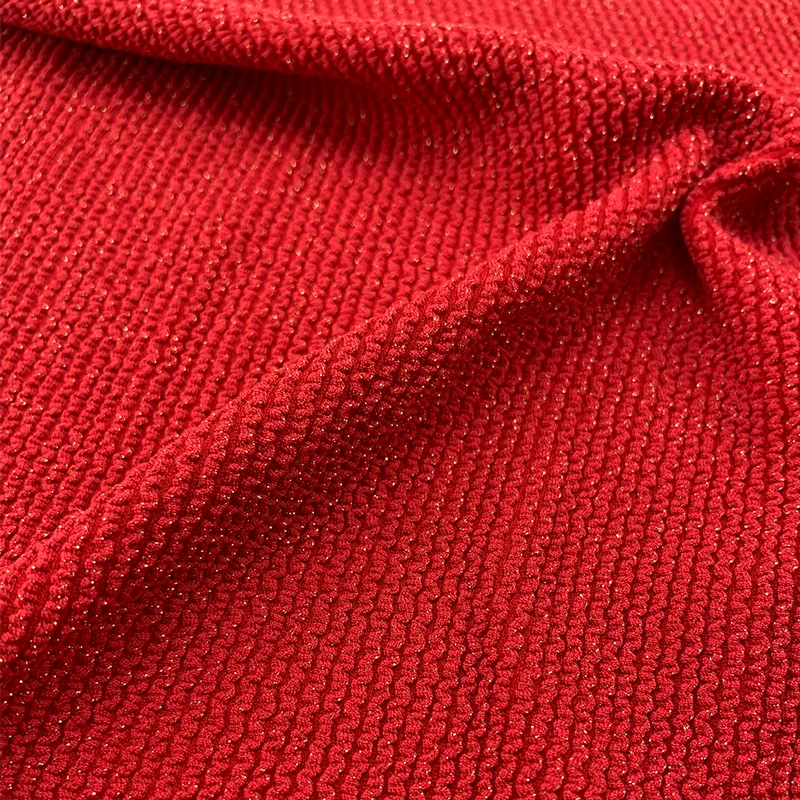
Our core offering is a comprehensive family of swimwear fabric types engineered for chlorine resistance, saltwater durability, UV stability, and four-way stretch. The range includes nylon-spandex and polyester-spandex blends in varying weights, recycled alternatives under GRS, matte and high-shine finishes, textured and ribbed constructions, and sublimation-ready or digitally printed designs. Each swimwear fabric type is developed for shape retention, soft hand-feel, and reliable colourfastness, and can be paired with matching linings, bindings, and elastic trims to create coordinated swim programs for brands, manufacturers, and designers worldwide.
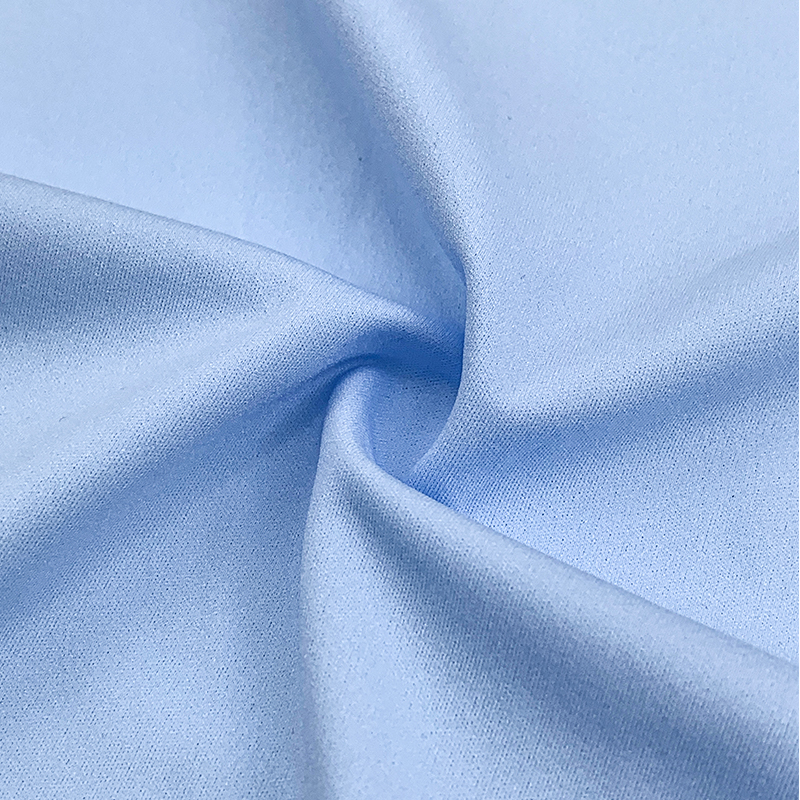
Selecting swimwear fabric types is a technical decision with commercial consequences. The dominant construction is a knit blend of spandex with nylon or polyester. Nylon-spandex is prized for softer hand-feel, superior stretch recovery, and colour vibrancy, making it ideal for performance and premium fashion swim. Polyester-spandex offers stronger resistance to chlorine and UV degradation, better colourfastness over time, and often a more accessible cost structure, suiting frequent-use and value lines. Recycled versions, verified under GRS, allow brands to reduce virgin material dependence without sacrificing elasticity. Beyond composition, buyers should compare weight, stretch and recovery, modulus, opacity, and lining compatibility. Textured options such as rib, jacquard, and shimmer finishes add visual differentiation, while print-ready bases support digital and sublimation decoration. Working with a vertically integrated mill like Jiadatai helps ensure these variables stay controlled from development through bulk delivery.

Frequently Asked Questions

Which swimwear fabric types resist chlorine best?

Chlorine resistance depends primarily on fibre chemistry and finishing. Polyester-spandex blends generally outperform nylon-spandex in chlorinated pools because polyester fibres resist chlorine degradation more effectively, slowing loss of stretch and colour. For training and frequent-use swimwear, we often recommend polyester-spandex swimwear fabric types with high spandex content for recovery and a dense knit structure for opacity. For fashion and premium swimwear where hand-feel and colour depth matter most, nylon-spandex remains the preferred choice, though it benefits from rinsing after pool use. Jiadatai can guide you through testing and offer both families with consistent dyeing and finishing, so you can match the fabric to the end-use environment, target price, and expected garment life.
Start with the wearer and the environment. Nylon-spandex delivers a softer, more luxurious hand-feel, excellent drape, and vibrant colour, which suits premium fashion swim and performance styles where comfort is paramount. Polyester-spandex typically offers greater durability against chlorine and UV, stronger colour retention, and often better value for high-turnover or training-focused lines. Consider stretch and recovery requirements next, plus opacity and lining needs. Jiadatai produces both swimwear fabric types in-house, so we can supply development samples of each, compare their behaviour in your actual patterns, and help you specify the construction that best balances aesthetics, performance, and cost for your market.
Yes, when produced correctly. Recycled polyester and recycled nylon can match the performance of virgin fibres in stretch, recovery, and durability because the polymer is re-engineered to meet textile-grade specifications. Under GRS certification, recycled content is traceable through the supply chain, giving brands credible documentation for sustainability claims. The key is partnering with a mill that controls knitting, dyeing, and finishing tightly, since recycled yarns can behave slightly differently during processing. Jiadatai manages these variables through our integrated production and ERP-monitored quality control, so our recycled swimwear fabric types meet the same stretch, colourfastness, and hand-feel standards as our conventional range.
Absolutely. Customization is central to how we work. We can adjust fibre composition, weight, stretch level, surface texture, and finish to suit your silhouette and price point, then develop exclusive prints through our digital and sublimation capabilities. Our process covers demand analysis, sample making, production, quality inspection, packaging, and delivery, giving brands, manufacturers, and designers a single coordinated workflow. Free consultation and sampling help you validate the swimwear fabric types before bulk commitment. Because we operate knitting, printing, dyeing, and finishing under one roof, iterations are faster and more controlled, which reduces the risk and cost of bringing a differentiated swim line to market.
Our swimwear fabric types are produced under OEKO-TEX, GRS, ISO, HIGG, and ZDHC certifications. OEKO-TEX supports skin-safety and restricted substance control; GRS verifies recycled content for sustainable lines; ISO reflects consistent quality management systems; HIGG supports standardized environmental and social performance assessment; and ZDHC reflects our commitment to zero discharge of hazardous chemicals. Together, these credentials help brands meet retailer requirements in Europe, North America, and Australia, and they provide documented assurance for consumer-facing sustainability messaging. Because certification-relevant processes are integrated into our production, these standards apply consistently across our swimwear fabric types rather than to isolated articles.

Related article

What Are the Differences Between Quick Dry Fabric and Moisture-Wicking Fabric?

13

Aug

What Are the Differences Between Quick Dry Fabric and Moisture-Wicking Fabric?

Two Terms, One Confusion Walk through any activewear section and the labels all start to blur together. "Moisture-wicking." "Quick-dry." "Breathable." "Fast-drying." They sound like they are saying the same thing—and plenty of brands use them i...
View More
Why Is Custom Print Fabric Essential for Start-Up Fashion Labels?

11

Sep

Why Is Custom Print Fabric Essential for Start-Up Fashion Labels?

The Real Barrier That Custom Print Fabric Removes for New Brands Starting a fashion label is an exercise in managing unknowns. Will the silhouette resonate? Will the price point hold? Will anyone outside a friend group actually buy it? The last thing...
View More
Why Is Modal Underwear Fabric a Popular Choice for Sensitive Skin?

14

Sep

Why Is Modal Underwear Fabric a Popular Choice for Sensitive Skin?

The Fiber That Changed the Conversation About Sensitive Skin For anyone with reactive skin, underwear is not a minor purchase decision. It is a daily negotiation between comfort and irritation. Cotton has long been the default recommendation, and for...
View More
Why Does Polyester Spandex Fabric Hold Creases Well for Pleated Skirts?

18

Sep

Why Does Polyester Spandex Fabric Hold Creases Well for Pleated Skirts?

The Physics Behind a Pleat That Survives the Washer A pleated skirt that loses its pleats after the first wash is a design failure, not a laundry problem. The pleats are the product. Everything else is secondary. And the fabric that makes those pleat...
View More

Reviews

Elena Marsh

Reliable Swimwear Fabric Types and Fast Sampling "We develop two swim collections a year and had struggled with mills that delivered beautiful samples but inconsistent bulk. Jiadatai changed that. Their team helped us compare swimwear fabric types across chlorine resistance, recovery, and hand-feel, then produced development samples quickly. The production rolls matched our approved swatches in colour and stretch, which reduced our fit rejections significantly. The ERP-driven communication and clear quality checks gave us confidence throughout. We now use their polyester-spandex and recycled nylon options across our core line, and the certification documentation simplified our retail compliance conversations. For any brand serious about swimwear, their technical guidance and reliability are a genuine advantage."

Marcus Lindqvist

Excellent Partner for Recycled Swimwear Fabric Types "Our brand positions sustainability at the centre of everything, so recycled content with credible traceability was non-negotiable. Jiadatai supplied GRS-certified recycled swimwear fabric types that matched the stretch and softness of our previous virgin fabrics. Their team walked us through composition options, print development, and lining compatibility, then managed sampling, production, inspection, and packaging smoothly. Colour consistency across repeat orders has been excellent, and the ZDHC and OEKO-TEX credentials strengthened our marketing claims. The integrated knitting, dyeing, and finishing setup clearly makes a difference in quality control. They feel like a long-term partner rather than a transactional supplier."

Get a Free Quote

Our representative will contact you soon.
Email
Mobile/WhatsApp
Name
Company Name
Message
0/1000
Full-Chain Control Across All Swimwear Fabric Types

Full-Chain Control Across All Swimwear Fabric Types

Our greatest strength is owning the entire production chain for swimwear fabric types, from knitting through dyeing, printing, and finishing. This means your fabric is never handed between disconnected subcontractors, where colour, stretch, and shrinkage can drift. Instead, one integrated facility in Dongguan, managed by an intelligent ERP system, handles production, warehousing, quality control, and delivery with real-time visibility. For swimwear, where elastic recovery and colour consistency determine fit and shelf appeal, this control is decisive. We deploy advanced equipment, including AK dyeing vats, German GOLLER washing machines, MONFONGS stenter setting machines, and SANTEX machines, to stabilize every swimwear fabric type we produce. The result is repeatable quality across sampling and bulk, faster lead times, and a supply relationship you can plan around season after season, backed by a team that understands the technical demands of swim.
Certified Sustainability Built Into Swimwear Fabric Types

Certified Sustainability Built Into Swimwear Fabric Types

Sustainability is not an add-on for us; it is embedded in how we produce swimwear fabric types. We hold OEKO-TEX, GRS, ISO, HIGG, and ZDHC certifications, covering skin safety, recycled content verification, quality management, environmental performance, and responsible chemical management. For brands selling into Europe, North America, and Australia, these credentials reduce compliance friction and support credible consumer claims. Because our dyeing and finishing processes are integrated and monitored, certification-relevant controls apply consistently across our range rather than selectively. Whether you choose recycled polyester, recycled nylon, or conventional blends, you receive documented assurance alongside the stretch, softness, and colour depth that premium swimwear demands. This combination of performance and responsibility helps our customers build swim lines that satisfy both their design ambitions and their sustainability commitments.
Responsive, Customer-Led Development of Swimwear Fabric Types

Responsive, Customer-Led Development of Swimwear Fabric Types

We treat fabric development as a collaboration. Brands, manufacturers, and designers receive demand analysis, sample making, trend guidance, and free consultation and sampling to identify the best swimwear fabric types for each project. Because we operate a complete knitting, printing, dyeing, and finishing chain, we can adjust composition, weight, texture, and finish efficiently, then develop exclusive prints that differentiate your line. Our flexible ordering model supports smaller cut quantities through larger bulk orders, which lowers inventory risk and lets you test the market before scaling. Clear communication, fast fulfilment, and personalized attention to every inquiry define how we work, and our ERP system keeps every order transparent from sampling to delivery. The outcome is a development process that is fast, technically grounded, and aligned with your commercial goals.