Swimsuit Fabric Types: 5 High-Performance Options for Brands

Swimsuit Fabric Types: A Complete Guide to Performance Swimwear Textiles from Faybric

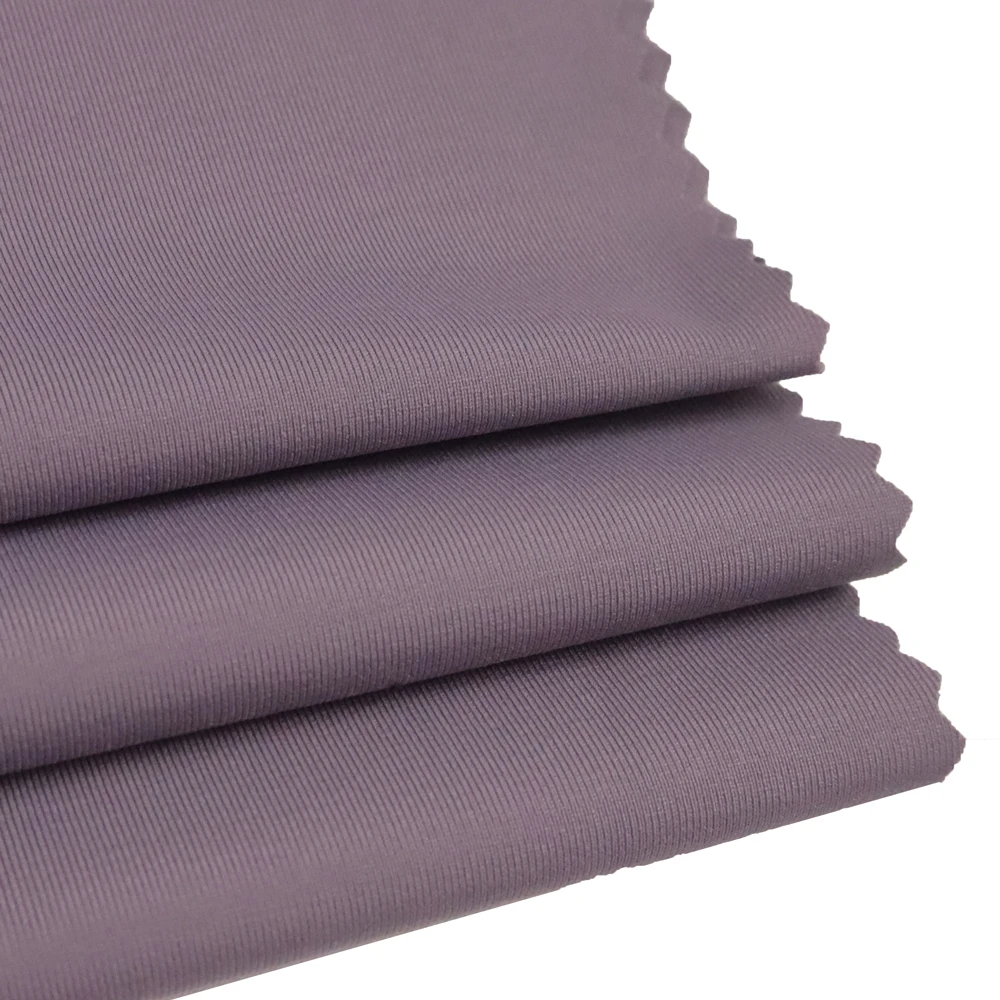
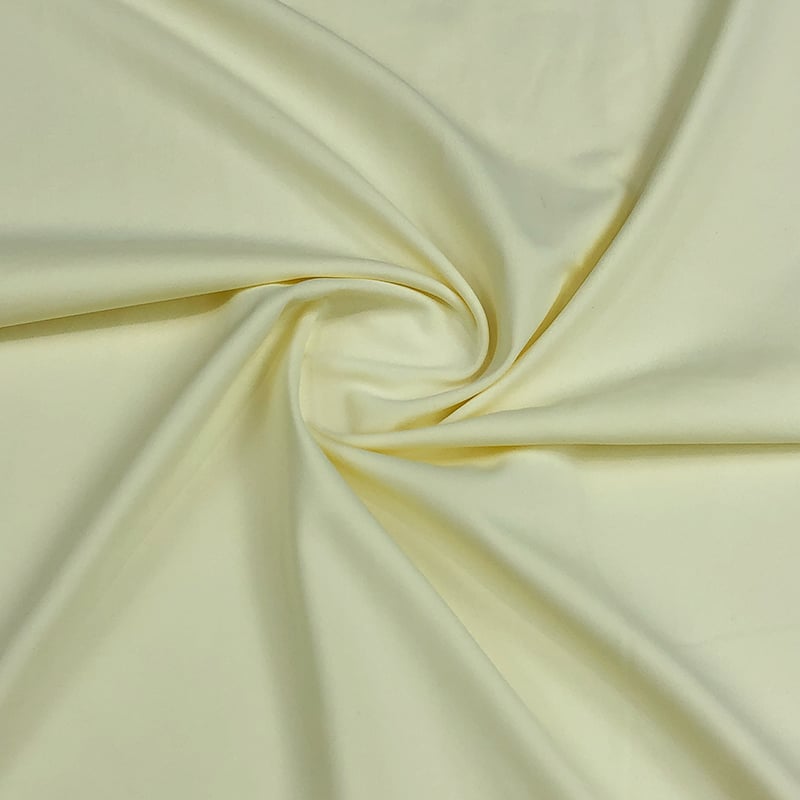
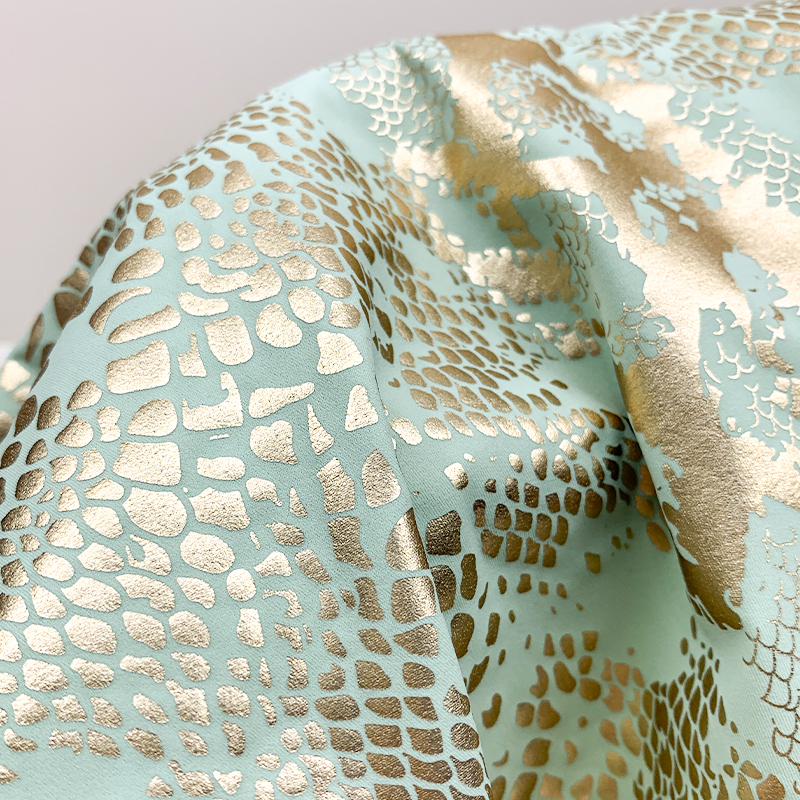
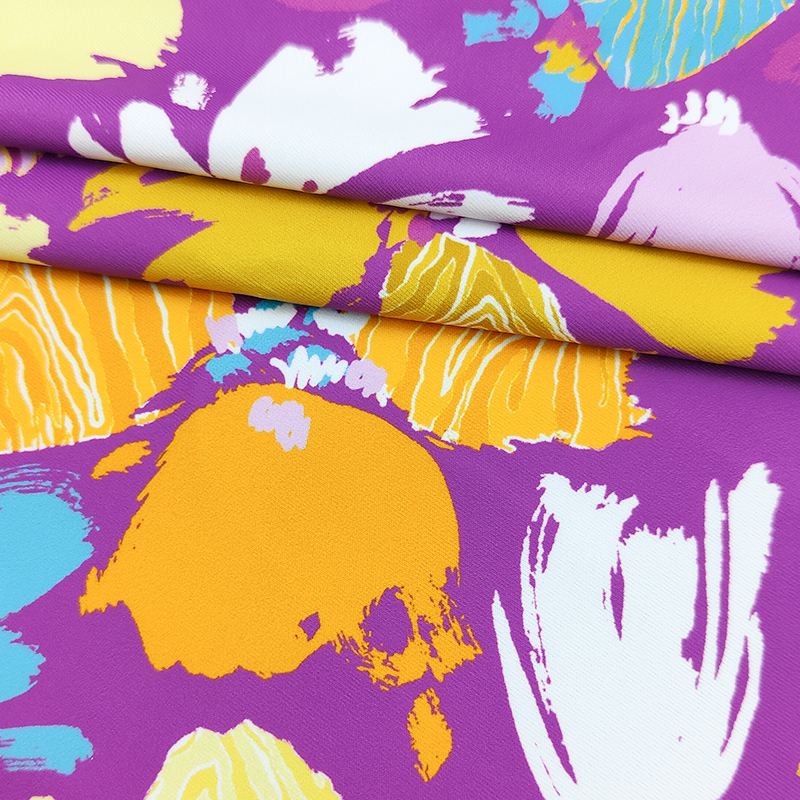
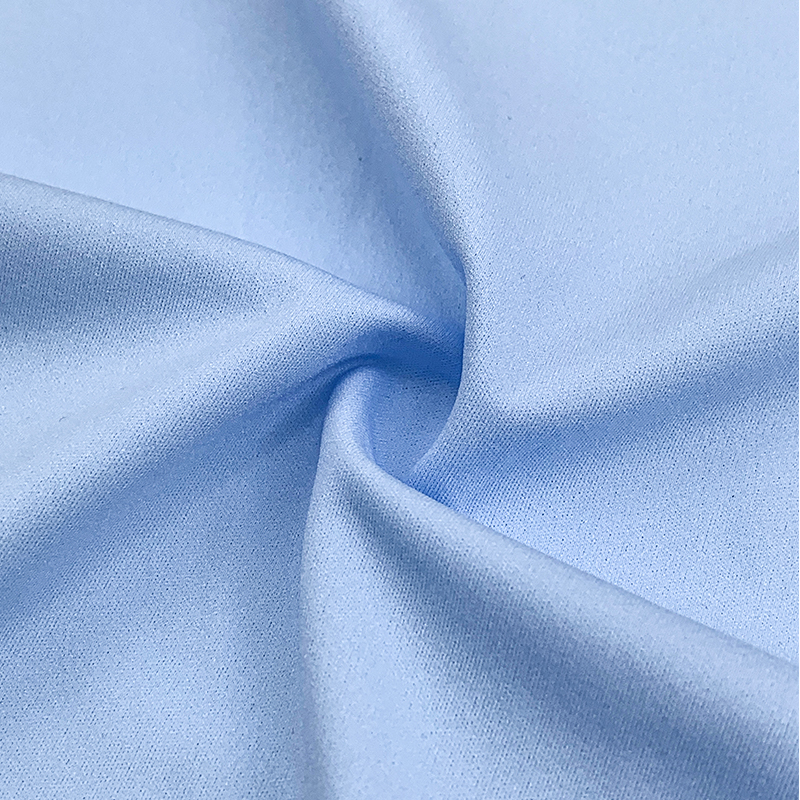
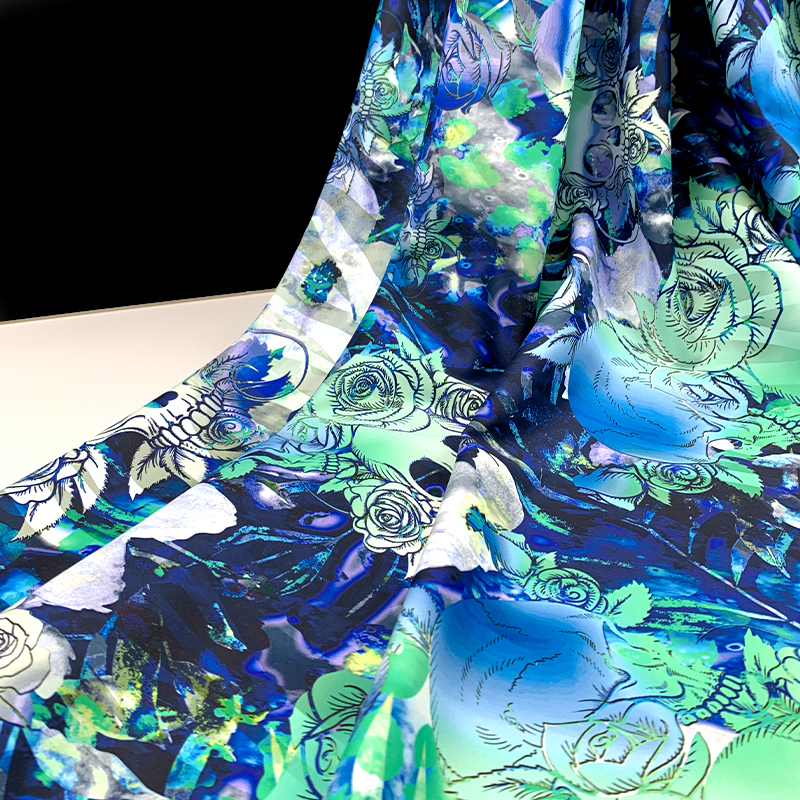
Understanding swimsuit fabric types is essential for brands, manufacturers, and designers creating competitive swimwear collections. This guide explores the leading swimsuit fabric types, including polyester-spandex blends, nylon-spandex, recycled REPREVE-style knits, PBT, and tricot, explaining how each affects stretch, chlorine resistance, UV protection, shape retention, and drying speed. Faybric, backed by Dongguan Jiadatai Textile Co., Ltd., produces high-end elastic fabrics through a fully integrated knitting, printing, dyeing, and finishing chain. Certified by OEKO-TEX, GRS, ISO, HIGG, and ZDHC, our swimwear fabrics support small-batch and quick-response production, low minimum order quantities, and full customization. Whether you need solid dyed tricot, digital-printed swim knits, or sustainable recycled options, this page provides practical insight into selecting the right swimsuit fabric types for your market.
Get A Quote

Case Study

Full Vertical Chain for Consistent Swimsuit Fabric Types

Faybric operates a complete in-house industrial chain covering knitting, printing, dyeing, and brushing within a 30,000-square-meter facility in Dongguan. Because every stage of production for our swimsuit fabric types is controlled internally, we eliminate the inconsistencies that plague outsourced manufacturing. Our AK dyeing vats, German GOLLER washing machines, MONFONGS stenter setting machines, and SANTEX equipment ensure uniform shade, stable shrinkage, and reliable stretch recovery across every roll. This vertical integration means faster lead times, tighter quality control, and the ability to move from sample approval to bulk delivery without external bottlenecks. For swimwear brands, this translates into dependable swimsuit fabric types that perform season after season.

Certified Sustainability Across All Swimsuit Fabric Types

Sustainability is no longer optional in global swimwear markets. Faybric holds OEKO-TEX, GRS, ISO, HIGG, and ZDHC certifications, covering our full range of swimsuit fabric types. These credentials assure buyers that our fabrics are free from harmful substances, responsibly produced, and traceable from fiber to finished roll. For brands targeting eco-conscious consumers, we offer recycled nylon and recycled polyester swim knits that meet GRS standards while matching the performance of virgin materials. Our ZDHC certification confirms zero discharge of hazardous chemicals, aligning with EU and North American compliance requirements. Choosing certified swimsuit fabric types protects your brand reputation, supports your sustainability claims, and opens doors to premium retail channels that demand verified environmental responsibility.

Flexible MOQs and Quick Response for Diverse Swimsuit Fabric Types

Modern swimwear markets reward agility. Faybric supports small-batch and quick-response production, allowing brands to test new swimsuit fabric types with low minimum order quantities before scaling. Our flexible ordering platform handles everything from sample-yard cuts to large bulk programs. As featured on CCTV-2 Economic Half Hour, our ERP-driven operation improves efficiency and reduces errors, enabling rapid turnaround that keeps pace with fast-changing fashion cycles. Designers can request trend guidance and innovative fabrics; manufacturers receive stable supply and quality assurance; brands gain a one-stop partner for knitting, printing, and dyeing. This customer-centric approach ensures every client finds the right swimsuit fabric types for their positioning, budget, and timeline.

Related products

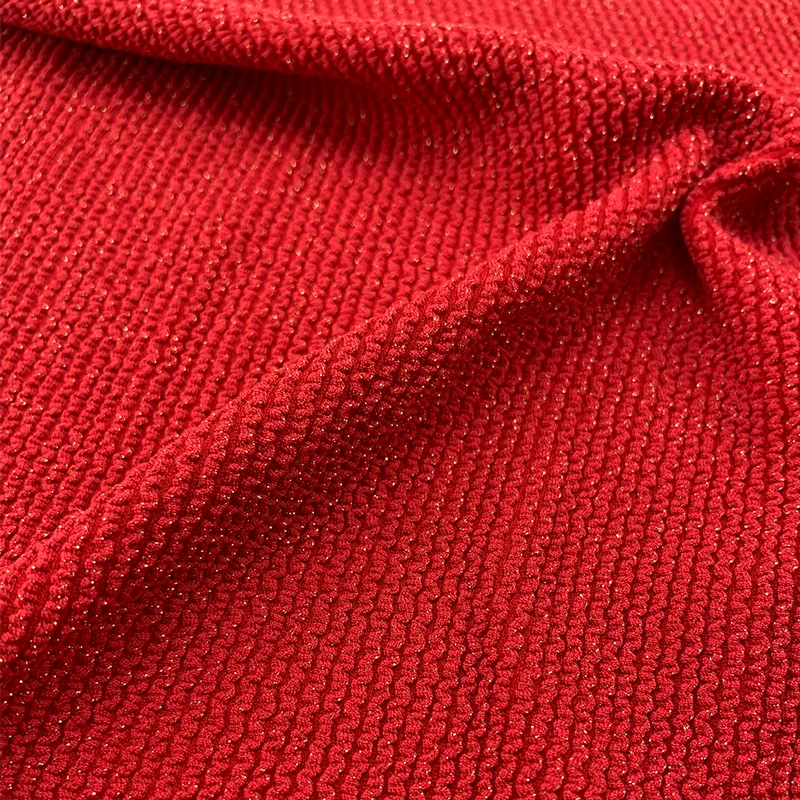
Faybric offers a comprehensive portfolio of swimsuit fabric types engineered for performance swimwear. Our core range includes polyester-spandex and nylon-spandex four-way stretch knits, PBT blends, tricot, and recycled eco-knits. Each fabric type is available in solid dyes, digital prints, and custom colorways, with options for chlorine resistance, UV protection, and moisture management. All materials are produced in-house under our integrated ERP system and certified to OEKO-TEX, GRS, ISO, HIGG, and ZDHC standards, supplying global brands, manufacturers, and designers with reliable, sustainable swimwear textiles.
Choosing among swimsuit fabric types is a technical decision that shapes fit, longevity, and consumer satisfaction. Nylon-spandex offers superior softness and stretch recovery, ideal for high-end fashion swimwear. Polyester-spandex delivers greater chlorine resistance and UV stability, making it the preferred choice for training and performance swimwear. PBT blends resist sagging and retain shape in chlorinated pools, while tricot provides a smooth, lightweight hand feel for linings and active styles. Recycled variants using GRS-certified fibers meet growing sustainability demands without sacrificing durability. At Faybric, moisture management, colorfastness, and shrinkage control are engineered into every roll, ensuring our swimsuit fabric types perform across diverse climates and consumer expectations.

Frequently Asked Questions

What Are the Most Common Swimsuit Fabric Types?

The most common swimsuit fabric types are polyester-spandex, nylon-spandex, PBT blends, and tricot. Polyester-spandex is widely used for training and competitive swimwear due to its chlorine resistance and UV stability. Nylon-spandex is chosen for fashion swimwear because of its soft hand feel and excellent stretch recovery. PBT blends resist sagging and retain shape well in chlorinated water. Tricot is often used for linings and smooth active styles. Faybric produces all these swimsuit fabric types in-house, offering solid dyes, prints, and recycled options certified by OEKO-TEX, GRS, ISO, HIGG, and ZDHC.
Polyester-spandex and PBT blends generally provide the strongest chlorine resistance among swimsuit fabric types. Chlorine degrades elastane over time, causing loss of stretch and shape, so fabrics with higher polyester content and PBT fibers last longer in pools. For competitive and training swimwear, these swimsuit fabric types are the industry standard. Faybric engineers its polyester-based swim knits with advanced dyeing and finishing processes that enhance durability, helping brands deliver longer-lasting products to athletes and frequent swimmers.
Yes. Modern recycled swimsuit fabric types, such as GRS-certified recycled nylon and recycled polyester, match the performance of virgin materials in stretch, recovery, and colorfastness. Advances in fiber technology allow recycled content to be spun into high-quality yarns suitable for performance swimwear. Faybric holds GRS and ZDHC certifications, ensuring our recycled swimsuit fabric types meet strict environmental and quality standards. Brands choosing these fabrics can strengthen sustainability messaging while maintaining the durability consumers expect.
Faybric supports flexible ordering, including smaller cut quantities and larger bulk orders. Our quick-response model, powered by an ERP management system, allows brands to test new swimsuit fabric types with low minimums before committing to volume production. This is ideal for startups, independent designers, and established manufacturers alike. We provide free consultation and samples so clients can evaluate hand feel, stretch, and color before ordering, reducing risk and accelerating product development.
Start by defining your end use: competitive, training, fashion, or childrenswear. Performance styles favor polyester-spandex and PBT blends; fashion lines benefit from nylon-spandex softness. Consider chlorine exposure, UV needs, print requirements, and sustainability goals. Faybric offers trend guidance, free sampling, and one-stop knitting, printing, and dyeing, helping brands select optimal swimsuit fabric types efficiently.

Related article

Why Is Quick Dry Fabric a Game-Changer for Travel Clothing?

18

Aug

Why Is Quick Dry Fabric a Game-Changer for Travel Clothing?

The One Fabric That Actually Delivers on Its Promises Pack a bag, book a flight, and hit the road—sounds simple enough. But anyone who has spent more than a few days living out of a suitcase knows that clothing choices can make or break a trip....
View More
Why Is Custom Print Fabric Essential for Start-Up Fashion Labels?

11

Sep

Why Is Custom Print Fabric Essential for Start-Up Fashion Labels?

The Real Barrier That Custom Print Fabric Removes for New Brands Starting a fashion label is an exercise in managing unknowns. Will the silhouette resonate? Will the price point hold? Will anyone outside a friend group actually buy it? The last thing...
View More
Why Does Polyester Spandex Fabric Hold Creases Well for Pleated Skirts?

18

Sep

Why Does Polyester Spandex Fabric Hold Creases Well for Pleated Skirts?

The Physics Behind a Pleat That Survives the Washer A pleated skirt that loses its pleats after the first wash is a design failure, not a laundry problem. The pleats are the product. Everything else is secondary. And the fabric that makes those pleat...
View More
How to Source Wholesale Nylon Spandex Fabric with Custom Prints?

25

Sep

How to Source Wholesale Nylon Spandex Fabric with Custom Prints?

What Makes Nylon Spandex the Default Choice for Stretch-Print Applications Nylon spandex fabric occupies a specific and demanding niche. It is the material that performance swimwear, dancewear, and activewear brands turn to when the garment has to st...
View More

Reviews

Elena Marchetti

Exceptional Consistency in Swimsuit Fabric Types "We have sourced swimsuit fabric types from many suppliers, but Faybric's vertical integration truly stands out. Their in-house knitting, dyeing, and finishing ensure every roll matches our color standards precisely. The ERP system gives us real-time order visibility, and their quick-response capability helped us launch a new collection ahead of schedule. The recycled swim knits met our sustainability targets without compromising performance."

Daniel Okafor

Reliable Partner for Custom Swimsuit Fabric Types "As a manufacturer, we need dependable swimsuit fabric types with consistent stretch and shrinkage. Faybric delivered exactly that. Their certifications, including OEKO-TEX and GRS, satisfied our retail clients' compliance requirements. Sampling was fast, communication was clear, and bulk production matched the approved samples perfectly. We now rely on them as a long-term strategic partner."

Get a Free Quote

Our representative will contact you soon.
Email
Mobile/WhatsApp
Name
Company Name
Message
0/1000
Vertically Integrated Production for Every Swimsuit Fabric Type

Vertically Integrated Production for Every Swimsuit Fabric Type

Faybric controls knitting, printing, dyeing, and finishing under one roof, ensuring unmatched consistency across all swimsuit fabric types. This integration shortens lead times, reduces errors, and guarantees that performance attributes like stretch, recovery, and colorfastness meet specification on every order. Global brands benefit from a streamlined supply chain and reliable delivery, backed by advanced machinery including AK, GOLLER, MONFONGS, and SANTEX equipment.
Certified Quality and Sustainability in Swimsuit Fabric Types

Certified Quality and Sustainability in Swimsuit Fabric Types

Our OEKO-TEX, GRS, ISO, HIGG, and ZDHC certifications provide verifiable assurance that Faybric swimsuit fabric types are safe, sustainable, and compliant with international standards. Brands can confidently market eco-friendly swimwear, meet retailer requirements, and reduce environmental impact while delivering premium performance fabrics to consumers worldwide.
Customer-Centric Customization for Swimwear Fabric Types

Customer-Centric Customization for Swimwear Fabric Types

From demand analysis to delivery, Faybric supports brands, manufacturers, and designers with flexible MOQs, free sampling, trend guidance, and one-stop production. Our quick-response model and ERP-driven management make it easy to develop differentiated swimsuit fabric types that reduce inventory risk, improve customer satisfaction, and create competitive advantage in global markets.