Premium Leggings Fabric Supplier | Vertical Integration & Certifications

Fabric For Making Leggings — Premium Knitted Stretch Fabrics From Jiadatai Textile

Jiadatai Textile, operating under the Faybric brand, is a technology-driven manufacturer specializing in Fabric For Making Leggings. From our 30,000-square-meter facility in Dongguan, China, we control the entire production chain — knitting, dyeing, printing, and finishing — under one intelligent ERP management system. This vertical integration allows us to deliver nylon-spandex, polyester-spandex, cotton-spandex, and recycled blends with the four-way stretch, opacity, and recovery that leggings require. We supply brands, garment manufacturers, and independent designers worldwide, from small cut quantities to bulk orders, with fast sampling, responsive communication, and dependable fulfillment. Our fabrics carry OEKO-TEX, GRS, ISO, HIGG, and ZDHC certifications, meeting the environmental and safety standards demanded by international markets.
Get A Quote

Case Study

Complete Vertical Supply Chain Built For Fabric For Making Leggings

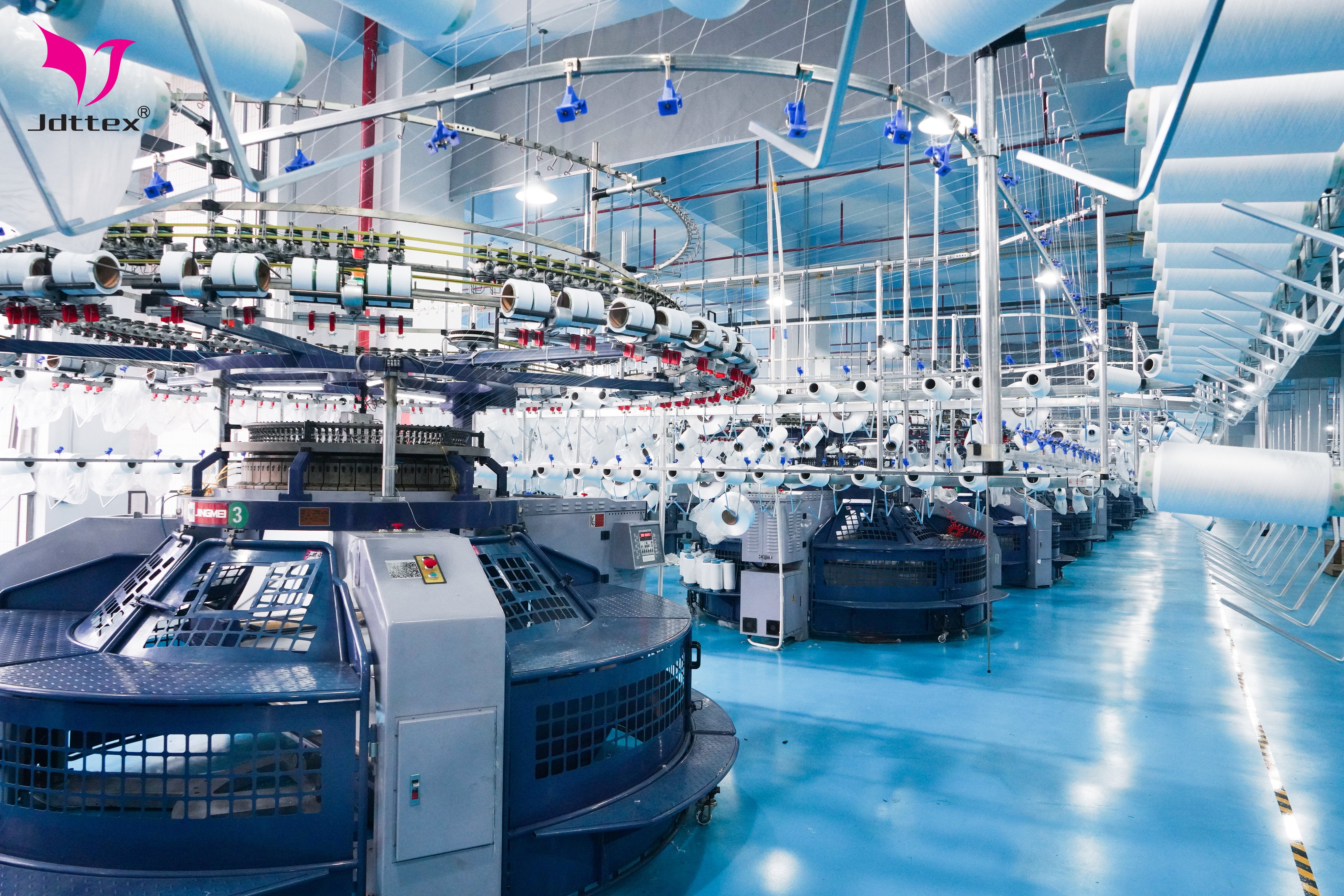
Jiadatai Textile unites knitting, dyeing, printing, and finishing within a single 30,000-square-meter facility, giving brands that source Fabric For Making Leggings a streamlined and accountable supply chain. Because every stage is managed internally — from yarn selection to final inspection — we eliminate the delays, quality disputes, and communication gaps that arise when multiple vendors handle different processes. Our dyeing factory operates AK dyeing vats, German GOLLER washing machines, MONFONGS stenter setting machines, and SANTEX machines, ensuring consistent shade matching, stable shrinkage control, and repeatable hand-feel across reorders. For leggings, this consistency matters: a fabric that stretches differently from batch to batch ruins fit and returns rates. Our ERP system connects production, warehousing, quality control, and delivery in one digital workflow, so you receive accurate lead times and traceable results.

Engineered Stretch, Recovery And Opacity For Leggings Performance

Fabric For Making Leggings lives or dies by its stretch and recovery, and our R&D team engineers every knit to those exact demands. We produce nylon-spandex, polyester-spandex, and cotton-spandex blends with four-way stretch, high elongation, and low growth, meaning your leggings keep their shape through wear and washing. Opacity is controlled through yarn density and knitting structure, not just weight, so squat-proof performance is built into the fabric itself. We also offer brushed, peached, and interlock constructions for buttery-soft hand-feel, plus compression knits for high-intensity activewear. Because performance standards differ between yoga, running, and fashion leggings, we tune elongation, modulus, and recovery to your end use. Independent testing verifies burst strength, pilling resistance, and colorfastness.

Certified Sustainable And Ready For Global Compliance

International brands face growing pressure to prove that their Fabric For Making Leggings meets environmental and safety standards, and Jiadatai Textile is built to support that compliance. We hold OEKO-TEX, GRS, ISO, HIGG, and ZDHC certifications, covering product safety, recycled content, quality management, and responsible chemical use. Our Faybric brand earned ZDHC Zero Discharge of Hazardous Chemicals certification, reflecting a deliberate focus on cleaner dyeing and printing. For buyers, this means documented assurance that fabrics are free from harmful substances and that recycled yarns are traceable through the supply chain. Our digital printing factory also reduces water waste compared with conventional methods. Compliance is not a last-minute task for your quality team; it is embedded in how we produce.

Related products

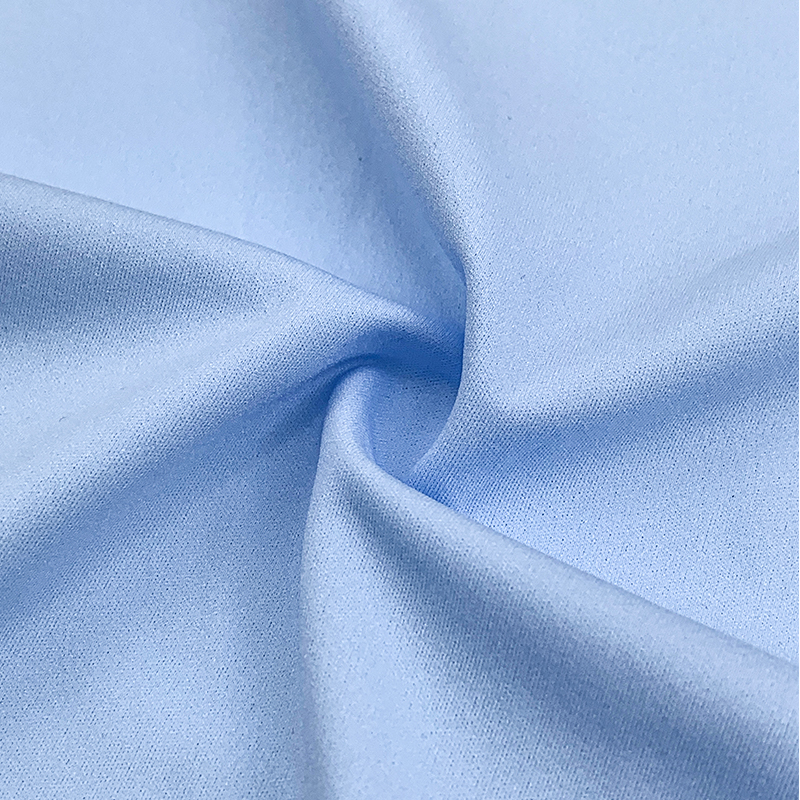
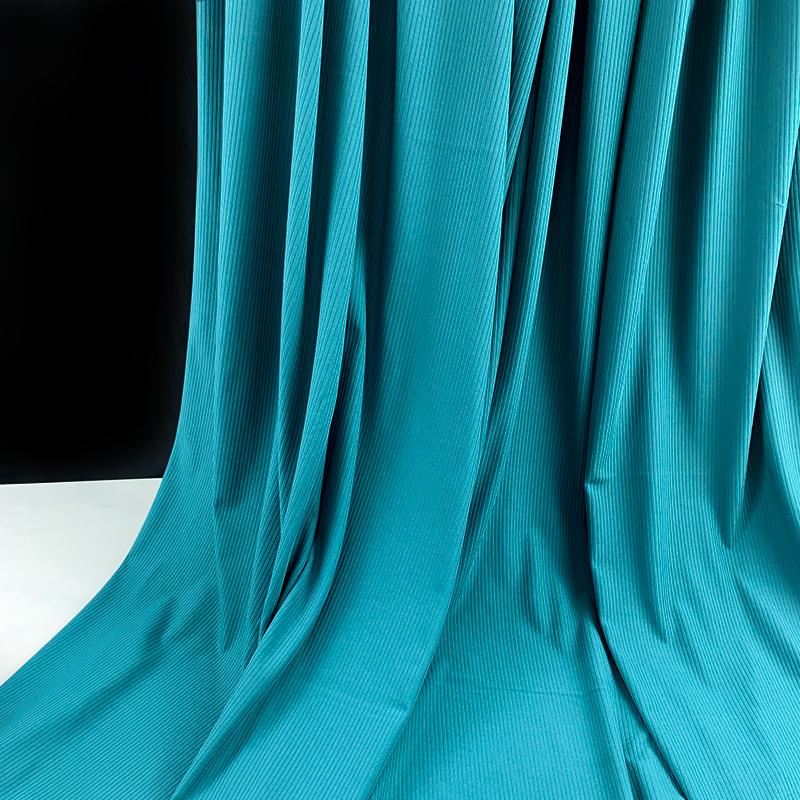
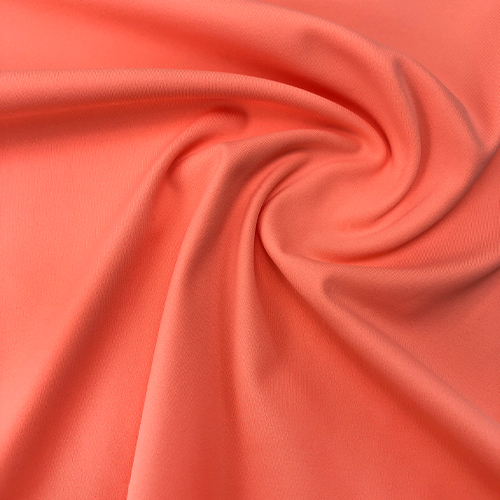
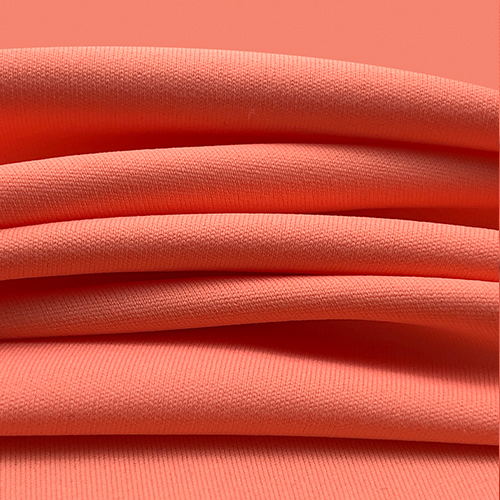
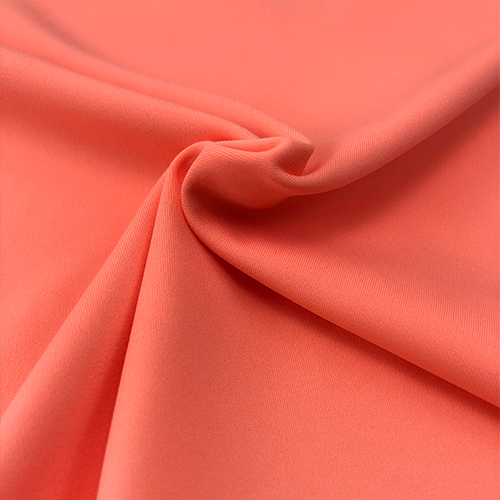
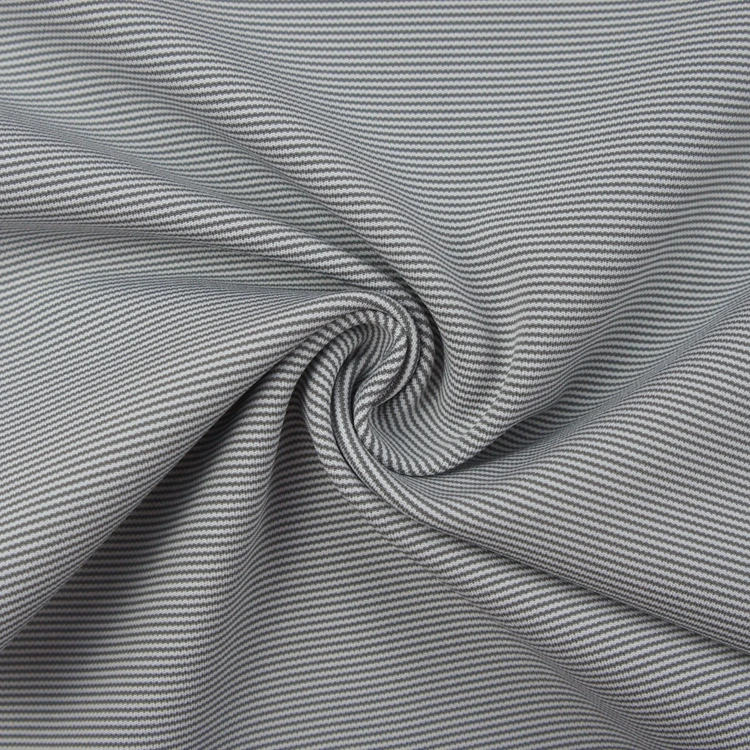
Jiadatai Textile supplies a full range of Fabric For Making Leggings, including brushed jersey, interlock, rib, and compression knits in nylon-spandex, polyester-spandex, cotton-spandex, and recycled yarn blends. Each fabric is engineered for four-way stretch, squat-proof opacity, and reliable recovery, with customizable weight, width, color, and hand-feel. We support custom digital printing, seasonal patterns, and sustainable options backed by GRS and OEKO-TEX certifications. From yoga and running leggings to fashion and children's styles, our fabrics are produced in-house and delivered worldwide with fast sampling and dependable lead times.

Choosing the right Fabric For Making Leggings requires balancing stretch, recovery, opacity, hand-feel, and durability. Nylon-spandex offers superior softness and compression, making it ideal for premium activewear; polyester-spandex delivers durability and colorfastness at a competitive cost; cotton-spandex suits athleisure and everyday wear. Fabric weight, typically measured in grams per square meter, affects warmth, coverage, and drape — lighter knits feel airy, while heavier weights provide shaping and squat-proof confidence. Recovery rate determines whether leggings bag out at the knees after wear, so buyers should verify elongation and growth after repeated stretching. Opacity should be tested under stretch, not only flat, because thin or loosely knit fabrics become translucent when worn. Finishing treatments such as brushing create a soft, matte surface, while moisture-wicking and anti-pilling finishes extend product life. For brands selling internationally, certifications like OEKO-TEX and GRS provide credible proof of safety and sustainability. At Jiadatai Textile, our vertical chain — knitting, dyeing, printing, and finishing — lets us control every variable, so Fabric For Making Leggings meets your performance targets and your customers' expectations across cultures and climates.

Frequently Asked Questions

What Is The Best Fabric For Making Leggings That Stay Opaque And Keep Their Shape?

The best Fabric For Making Leggings for opacity and shape retention is a tightly knitted nylon-spandex or polyester-spandex blend with a high spandex content relative to its weight. Opacity depends on yarn density, knitting structure, and dyeing — not only on fabric weight. A heavier fabric can still be see-through if it is loosely knit. We engineer opacity by optimizing stitch density and elastane ratio, then test it under stretch to confirm coverage during movement. Shape retention comes from recovery, the fabric's ability to return to its original dimensions after stretching. We verify elongation, growth, and recovery through in-house and third-party testing, so leggings do not bag out at the knees or sag after washing. If your line focuses on squat-proof performance or high-compression activewear, we can tune modulus and weight to your specification.
Yes. Many of our customers are emerging brands and designers with limited initial volumes, and we support them through a flexible ordering platform. We serve wholesale customers worldwide with everything from smaller cut quantities to bulk production, so you can test a market before committing to a large run. Our team provides free consultation and samples to help you validate hand-feel, stretch, and color before ordering. Once your design is confirmed, our ERP-managed production ensures accurate scheduling and traceable quality. As your brand grows, we scale with you, moving from pilot cuts to repeat bulk orders without changing the fabric specification. This approach lowers inventory risk and lets you build a Fabric For Making Leggings collection responsibly.
Our Fabric For Making Leggings is produced under internationally recognized certifications including OEKO-TEX, GRS, ISO, HIGG, and ZDHC. OEKO-TEX confirms that fabrics are tested for harmful substances and safe for skin contact, which is essential for leggings worn directly against the body. GRS verifies recycled content in our recycled yarn blends, giving brands credible sustainability claims. ISO supports consistent quality management across our processes. HIGG provides a standardized sustainability assessment for the supply chain. ZDHC certification, held by our Faybric brand, reflects responsible chemical management and reduced hazardous discharge. Together, these certifications help brands meet regulatory and retail requirements in Europe, North America, and other demanding markets, and they give your customers confidence in the products you sell.
Nylon-spandex is generally softer, smoother, and more compression-friendly, making it the preferred choice for premium activewear, yoga, and high-end fashion leggings. It feels cooler against the skin and offers excellent drape. Polyester-spandex is more durable, resists pilling and fading, and typically costs less, making it suitable for everyday, budget, and high-volume lines. The right choice depends on your target market, retail price, and performance goals. Many brands use both across different collections. Our team can supply samples of each so you can compare hand-feel, stretch, and opacity directly. We also offer cotton-spandex for athleisure and recycled blends for sustainability-focused lines, helping you match fabric to positioning.
Lead time depends on order size, fabric construction, and finishing requirements, and we confirm it during quotation. Our in-house knitting, dyeing, printing, and finishing allow us to control scheduling more tightly than multi-vendor supply chains. For custom colors, we work to your reference standards or Pantone targets using AK dyeing vats and MONFONGS stenter setting machines for consistent shade and shrinkage. Custom prints are handled by our subsidiary's digital printing factory, which supports seasonal patterns and small-batch flexibility. Samples are provided so you can approve color and print before bulk production. Our ERP system tracks each order through production, quality control, and delivery, keeping you informed and reducing surprises.

Related article

How to Choose the Right Base Fabric for Custom Print Projects?

21

Aug

How to Choose the Right Base Fabric for Custom Print Projects?

The Foundation That Determines Everything Custom printing on fabric sounds straightforward: pick a design, pick a shirt, and press go. But anyone who has been through the process more than a few times knows that the base fabric is where most projects...
View More
Why Does Polyester Spandex Fabric Hold Creases Well for Pleated Skirts?

18

Sep

Why Does Polyester Spandex Fabric Hold Creases Well for Pleated Skirts?

The Physics Behind a Pleat That Survives the Washer A pleated skirt that loses its pleats after the first wash is a design failure, not a laundry problem. The pleats are the product. Everything else is secondary. And the fabric that makes those pleat...
View More
How to Source Wholesale Nylon Spandex Fabric with Custom Prints?

25

Sep

How to Source Wholesale Nylon Spandex Fabric with Custom Prints?

What Makes Nylon Spandex the Default Choice for Stretch-Print Applications Nylon spandex fabric occupies a specific and demanding niche. It is the material that performance swimwear, dancewear, and activewear brands turn to when the garment has to st...
View More
Vertical Integrated Factory: Why Jdttex Cut Your Fabric Cost & Delivery Risk

07

Aug

Vertical Integrated Factory: Why Jdttex Cut Your Fabric Cost & Delivery Risk

JDTTEX vertical‑integrated knit fabric factory cuts your cost & delivery risk. In‑house knitting, dyeing & finishing, stable bulk‑sample quality, lower price and shorter lead‑time for yoga, swim & thermal activewear. Request free fabric samples.
View More

Reviews

Sarah Mitchell

They Understood Leggings Performance From The Start "We develop high-compression activewear and needed Fabric For Making Leggings that would not go sheer during squats or lose recovery after repeated wear. Jiadatai's team asked precise questions about modulus and weight, then sent samples that matched our spec on the first round. The vertical setup — knitting, dyeing, and finishing under one roof — made reorders predictable, and the OEKO-TEX documentation satisfied our retail partners. Lead times have been reliable, and communication is clear even across time zones."

Daniel Okafor

Reliable Quality And Honest Guidance On Fabric Selection "As a manufacturer, we value suppliers who tell us when a fabric suits our price point and when it does not. Jiadatai guided us from polyester-spandex to a recycled blend for our sustainable line, and the GRS certification helped us market responsibly. The brushed jersey they supplied is soft, opaque, and holds color well after washing. Their ERP updates keep our planning accurate, and sample turnaround is genuinely fast. We now use them as a long-term partner for our leggings production."

Get a Free Quote

Our representative will contact you soon.
Email
Mobile/WhatsApp
Name
Company Name
Message
0/1000
One Facility, Four Processes: Why Vertical Integration Matters For Leggings Fabric

One Facility, Four Processes: Why Vertical Integration Matters For Leggings Fabric

Most leggings supply chains split knitting, dyeing, printing, and finishing across separate factories, which creates delays, inconsistent shade, and finger-pointing when something goes wrong. Jiadatai Textile brings all four processes into a single 30,000-square-meter facility in Dongguan, managed under one ERP system. For buyers of Fabric For Making Leggings, this means faster sampling, tighter quality control, and reorders that match the original batch. The dyeing factory runs AK dyeing vats, German GOLLER washing machines, MONFONGS stenter setting machines, and SANTEX machines, giving us precise control over shade, shrinkage, and hand-feel. Our subsidiary, Dongguan Jiaying Technology Co., Ltd., adds a dedicated printing factory with world-class digital equipment. When your fabric moves through one accountable team, your timelines and quality become more predictable, which directly protects your brand's reputation and margins.
Designed Around The Demands Of Leggings, Not Generic Knitwear

Designed Around The Demands Of Leggings, Not Generic Knitwear

Leggings place unique demands on fabric: stretch, recovery, opacity, and comfort must all hold up in motion. Our R&D system is built around those requirements. We engineer Fabric For Making Leggings with four-way stretch, controlled modulus, and squat-proof opacity, then verify performance through testing. We offer brushed and peached surfaces for buttery softness, interlock and rib structures for support, and compression knits for high-intensity use. Because we knit in-house, we can adjust yarn, stitch, and elastane ratio quickly to match your specification or develop something new. This flexibility lets brands differentiate rather than buy the same commodity fabric as everyone else. It also means your technical questions reach people who actually control production, shortening development cycles.
Certified Compliance That Supports Your Global Market Access

Certified Compliance That Supports Your Global Market Access

Selling leggings internationally now requires documented proof of safety and sustainability. Jiadatai Textile holds OEKO-TEX, GRS, ISO, HIGG, and ZDHC certifications, and our Faybric brand earned ZDHC Zero Discharge of Hazardous Chemicals certification. These credentials cover fabric safety, recycled content, quality management, and responsible chemical use. For buyers, that translates into fewer compliance hurdles with retailers and regulators, and stronger marketing claims. Our digital printing also reduces water use compared with conventional methods, supporting environmental goals. By embedding compliance into production rather than treating it as an afterthought, we help brands sell Fabric For Making Leggings with confidence in Europe, North America, and other regulated markets.