Direct Fabric Printing for Custom Textiles | JDT Tex

Direct Fabric Printing for Custom Textile Designs

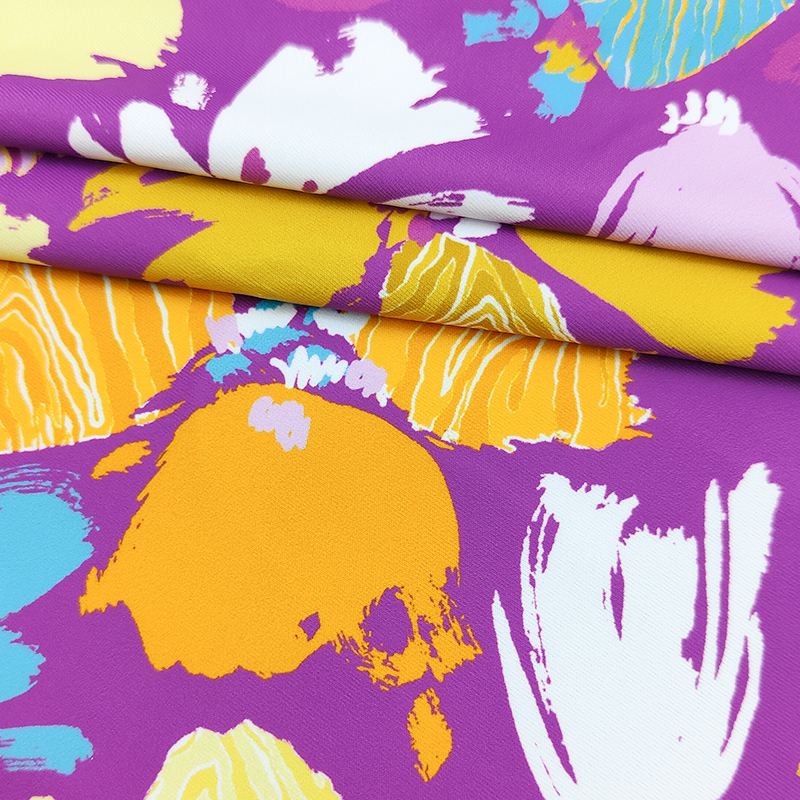
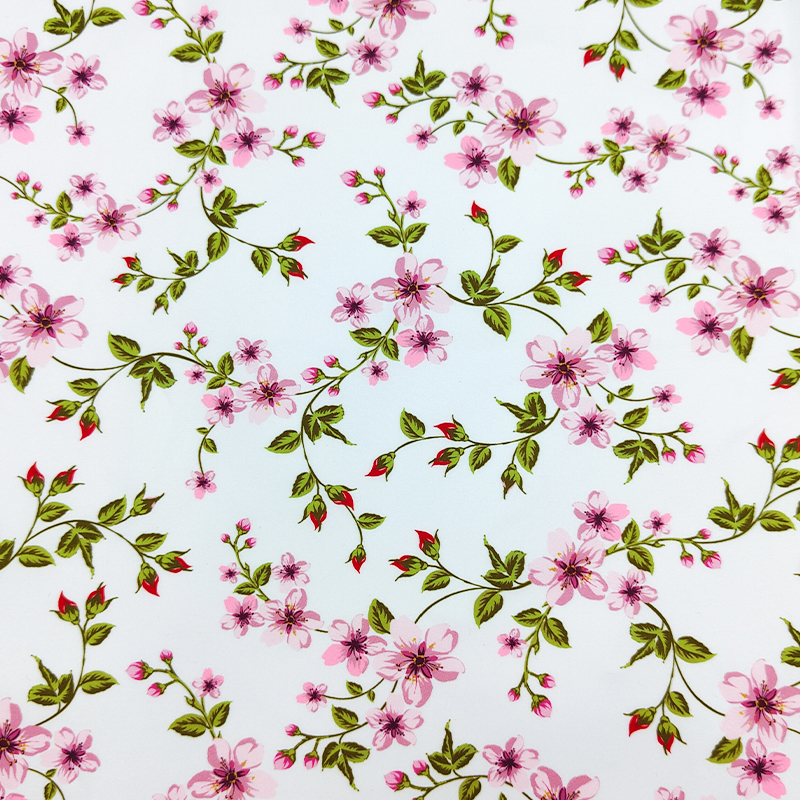
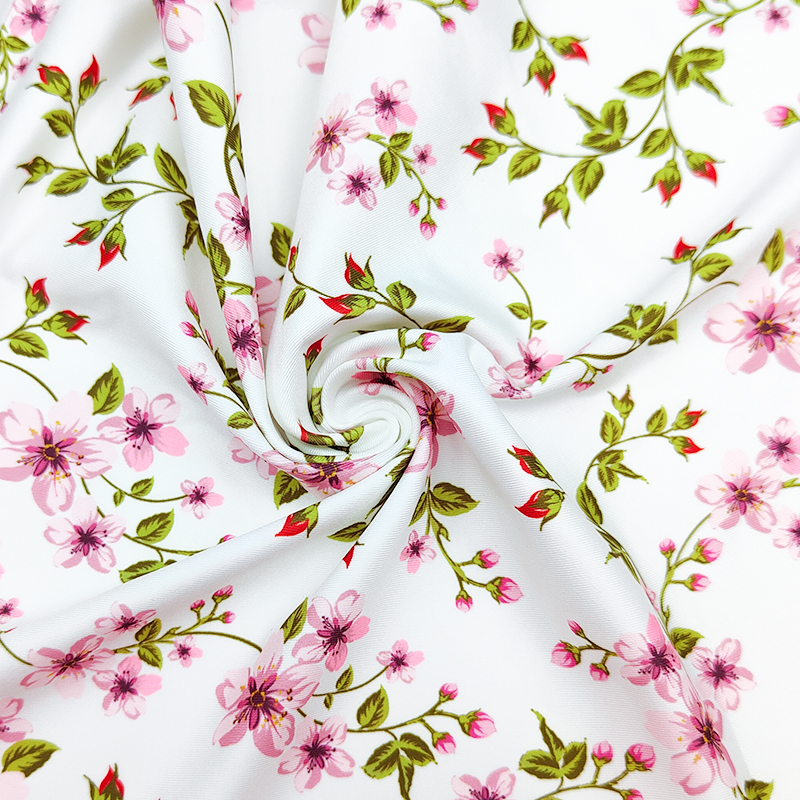
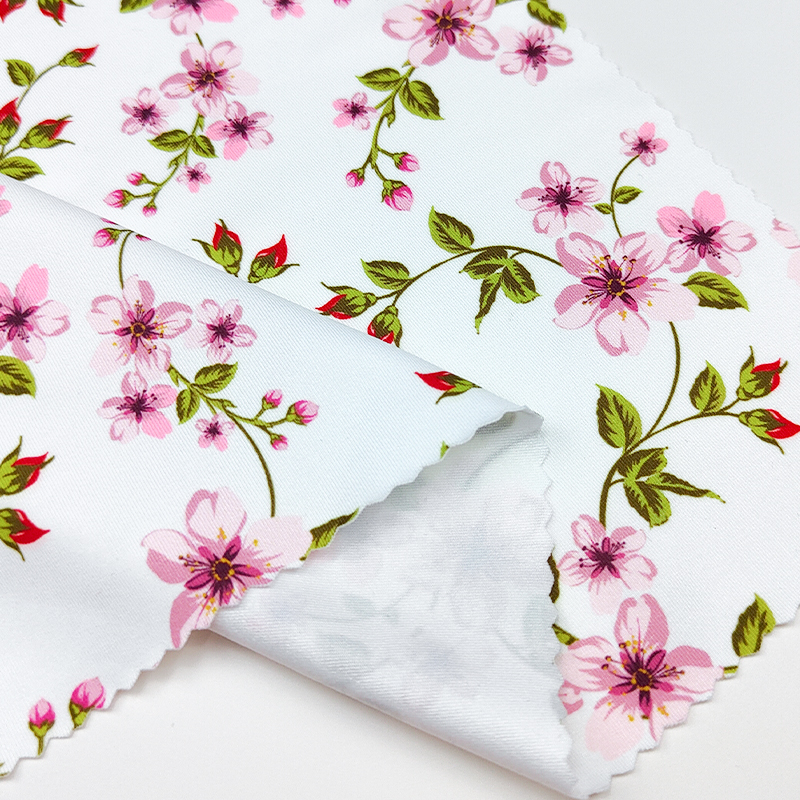
JDT Tex supports direct fabric printing for apparel, home textile, and accessory projects. We help buyers move from artwork to printed fabric samples using digital workflows. The process suits small-batch trials, custom patterns, and repeat orders. In internal reviews, printed samples are checked for color consistency, hand feel, and wash fastness under standard methods. MOQs and lead times depend on fabric type, artwork, and quantity. Buyers can request sample yardage to evaluate print detail before bulk production. Clear specs help reduce revisions.
Get A Quote

Case Study

Custom Pattern Trial for Apparel Fabric

In a sample development project, a buyer wanted to test direct fabric printing for a small apparel capsule. The artwork included fine lines and tonal shading. We printed on a pre-selected knit and woven fabric to compare detail and hand feel. Internal checks reviewed color consistency, edge clarity, and wash fastness after repeated laundering. The team adjusted artwork resolution and fabric preparation before a second sample round. This scenario shows how direct printing can support small-batch trials and design validation before bulk production.

Home Textile Panel Printing Review

For a home textile concept, the design team explored direct fabric printing on a cotton-blend panel. The goal was to assess pattern placement, color depth, and fabric drape. We prepared sample panels and reviewed print coverage under indoor and outdoor lighting. Internal checks focused on color uniformity, surface texture, and dimensional stability after washing. The team compared two fabric preparations to see which held detail more clearly. This example highlights how direct printing can support decorative panels, cushions, and similar applications when specifications are confirmed early.

Small-Batch Print Run for Accessories

A buyer requested a small-batch direct fabric printing trial for accessory items such as tote bags and pouches. The artwork used bold shapes and text elements. We printed on a durable woven fabric and checked registration, color blocks, and surface adhesion. Internal review included abrasion resistance and colorfastness under standard methods. The buyer used the samples to evaluate visual impact and sewing compatibility. This scenario demonstrates how direct printing can support accessory development, limited runs, and market testing without requiring large inventory commitments.

Related products

JDT Tex offers direct fabric printing support for brands, designers, and sourcing teams. The process transfers digital artwork onto selected fabrics, allowing custom patterns, logos, and placement prints. It can suit apparel, accessories, home textiles, and promotional items. We help buyers choose suitable fabric preparation, artwork resolution, and color references before sampling. Internal checks may review print clarity, color consistency, hand feel, and wash fastness under standard methods. Because results depend on fiber content, fabric construction, ink system, and finishing, sample approval is important. MOQs and lead times vary by artwork, fabric, and order quantity. Buyers can request sample yardage to test drape, stretch, and sewing behavior. Our team supports lab dips, strike-offs, and production planning where applicable. We avoid exaggerated claims and focus on clear specifications, realistic timelines, and practical communication. The website https://www.jdttex.com/ provides contact details for project discussion. By aligning design goals with fabric performance, direct fabric printing can help reduce development risks and support smoother production. This approach is suitable for pilot runs, limited collections, and repeat programs when specifications are confirmed.

Frequently Asked Questions

What is direct fabric printing?

Direct fabric printing applies digital artwork onto fabric surfaces. It can create custom patterns, logos, and placement designs without traditional screen setup. Results depend on fabric type, ink system, artwork resolution, and finishing. It is often used for samples, small batches, and custom textile projects. Sample approval helps confirm color and detail.
Many knit and woven fabrics can be considered, including cotton, polyester, blends, and some synthetics. The suitable option depends on ink compatibility, surface texture, and end use. Preparation and finishing can affect print clarity and hand feel. Buyers should request sample yardage to test performance before bulk production.
Yes, direct fabric printing can support small-batch trials and sample runs. MOQs vary by fabric, artwork, and supplier workflow. Some projects may still require minimum yardage for fabric preparation and production. Early discussion helps confirm feasibility, lead time, and cost. Sample approval is recommended before larger commitments.
Color consistency is reviewed against approved references under controlled lighting where possible. Internal checks may compare lab dips, strike-offs, and production samples. Fabric texture, ink absorption, and finishing can influence final appearance. Buyers should approve a physical standard before bulk. This helps reduce variation and clarifies expectations for both sides.
Lead time depends on artwork readiness, fabric availability, sample rounds, and order quantity. Complex designs or special fabric preparation may require extra steps. Production scheduling also varies by season and supplier capacity. Sharing complete specifications early helps create a realistic timeline. Confirm details before placing a bulk order.

Related article

How to Source Wholesale Underwear Fabric with Stretch and Recovery?

27

Aug

How to Source Wholesale Underwear Fabric with Stretch and Recovery?

The Foundation of Good Underwear Is Not What Most Think Underwear is one of those categories where consumers notice when something is wrong far more than when something is right. A poor fit, sagging after a few washes, or fabric that loses its shape&...
View More
How Is Functional Fabric Revolutionizing the Sportswear Industry?

04

Sep

How Is Functional Fabric Revolutionizing the Sportswear Industry?

What Functional Fabric Actually Delivers Beyond Marketing Claims Walk into any sporting goods store and the wall of tags reads like a chemistry exam: moisture-wicking, quick-dry, odor-resistant, four-way stretch. The jargon has become so thick that s...
View More
Why Is Custom Print Fabric Essential for Start-Up Fashion Labels?

11

Sep

Why Is Custom Print Fabric Essential for Start-Up Fashion Labels?

The Real Barrier That Custom Print Fabric Removes for New Brands Starting a fashion label is an exercise in managing unknowns. Will the silhouette resonate? Will the price point hold? Will anyone outside a friend group actually buy it? The last thing...
View More
Why Is Modal Underwear Fabric a Popular Choice for Sensitive Skin?

14

Sep

Why Is Modal Underwear Fabric a Popular Choice for Sensitive Skin?

The Fiber That Changed the Conversation About Sensitive Skin For anyone with reactive skin, underwear is not a minor purchase decision. It is a daily negotiation between comfort and irritation. Cotton has long been the default recommendation, and for...
View More

Development Feedback on Direct Fabric Printing

Laura Bennett

In an internal sample review, direct fabric printing on a selected knit showed clear detail for medium-scale patterns. Color consistency was compared with an approved reference under controlled lighting. Wash checks indicated acceptable colorfastness for the tested conditions, though results can vary by fabric and finishing. The team noted that artwork resolution and fabric preparation strongly influenced print clarity. This feedback reflects internal evaluation, not a paid public testimonial or a guarantee of future results.

Michael Turner

During a development review, direct fabric printing was tested on a woven accessory fabric. Registration and color blocks were checked on sample panels. Surface adhesion and abrasion resistance were reviewed under standard methods. The buyer used the samples to assess sewing compatibility and visual impact. Minor adjustments to artwork and fabric preparation improved the next sample round. This review is based on internal sample observations and should not be treated as a universal performance claim.

Get a Free Quote

Our representative will contact you soon.
Email
Mobile/WhatsApp
Name
Company Name
Message
0/1000
Digital Workflow for Custom Designs

Digital Workflow for Custom Designs

Direct fabric printing supports digital workflows that can move from artwork to sample without traditional screen setup. This suits custom patterns, placement prints, and small-batch trials. Buyers can evaluate detail, color, and hand feel on selected fabrics before bulk production. The process may involve artwork preparation, fabric pretreatment, printing, and finishing. Results depend on materials and equipment, so sample approval is important. This approach can help designers test ideas faster and make informed decisions with realistic expectations.
Sample-Driven Quality Checks

Sample-Driven Quality Checks

Sample-driven checks help buyers review print clarity, color consistency, and surface quality before bulk. Internal evaluations may include wash fastness, abrasion, and dimensional stability under standard methods. Because fabric construction, ink absorption, and finishing affect results, physical samples matter. Buyers can compare lab dips, strike-offs, and production references. This process supports clearer specifications and reduces avoidable revisions. It also helps align design goals with fabric performance. The aim is practical quality control, not exaggerated promises.
Flexible Applications Across Textile Products

Flexible Applications Across Textile Products

Direct fabric printing can be applied to apparel, accessories, home textiles, and promotional items. It suits custom patterns, logos, and limited collections. Different fabrics may require different preparation and finishing steps. Buyers should confirm ink compatibility, hand feel, and care requirements for the final product. Small-batch trials can support market testing before larger orders. With clear specifications and sample approval, direct printing can be a practical option for diverse textile projects.